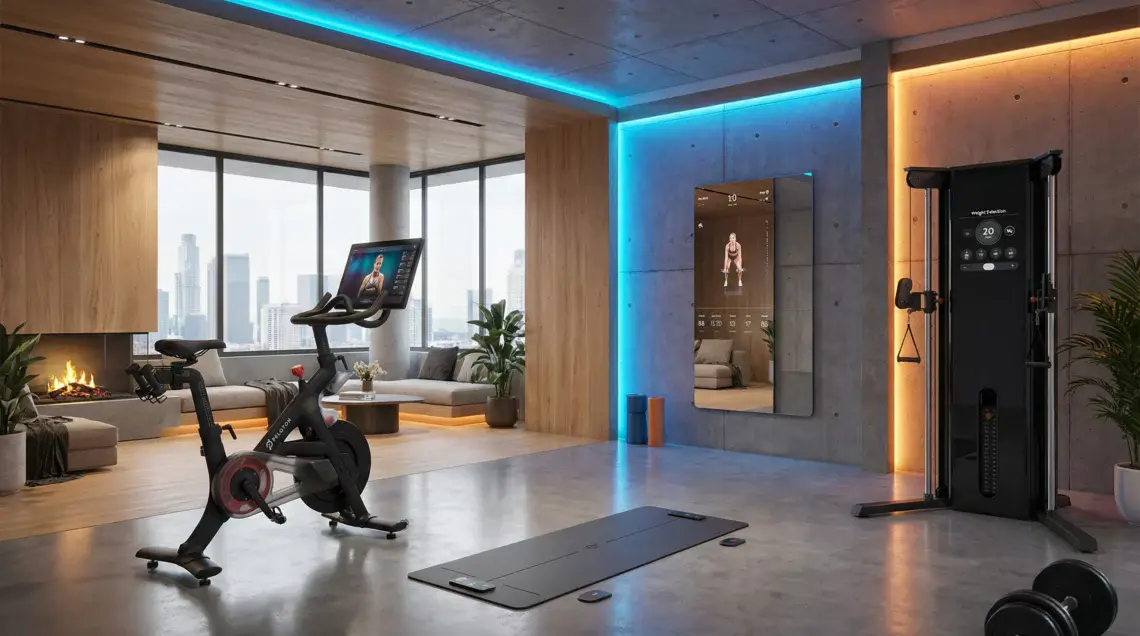
Smart home gyms are booming, especially as more people build routines that fit their lives. Whether it’s prepping for busy workdays or staying in shape through any future lockdowns, creating an effective fitness setup at home is easier than ever thanks to new tech and AI-driven equipment arriving for 2025. The biggest perks now come from smart gym machines, advanced AI spotters, and fitness trackers that make reaching your goals and tracking progress straightforward.
Why Smart Home Gyms Are Trending in 2025
The move toward smarter home gyms took off during the pandemic, but 2025 is set to become the year when connected fitness enters the mainstream. There’s a clear desire to stay fit and flexible no matter what life throws at us; even another sudden lockdown won’t derail routines if you have a good home setup. Staying active at home means you’re not affected by gym closures or shifting schedules, and you get to track performance with personalized coaching without leaving the living room.
Many smart gym products now include live and on-demand coaching, automatic tracking for things like heart rate and calorie burn, and immersive virtual workouts that create the feeling of a boutique studio. This year, there’s an even bigger emphasis on personalizing routines to real progress, making sure every sweat session brings you closer to your goals.
Market research points toward continued growth in at-home smart fitness gear through 2026, and we’re seeing more integration between equipment, wearable trackers, and preferred fitness apps. This means you’ll benefit from easier syncing, personal goal writing, safety tools, and all-in-one health monitoring for every member of the household.
Getting Started with a Smart Home Gym in 2025
Starting a smart home gym might seem tricky if you’re new, but there are some basics that make things much smoother. The main things haven’t changed: you still need space for movement, good gear, and goals that keep you engaged. But what’s truly different now is how smart tech helps organize every workout for better results. Say goodbye to guesswork!
The core of most smart gyms in 2025 is the allinone fitness station, combining screen coaching, resistance equipment, and automatic tracking. Big names like Tonal and Tempo use AI to check your form, adjust resistance, and log stats seamlessly. Many of these systems are great for smaller spaces, even mounting on walls or folding up for storage.
- AI Spotters: Tonal and Fitbod use real time motion sensors to keep workouts safe. AI will warn you if your form slips or if fatigue sets in.
- Smart Trackers: Wearables like Apple Watch Ultra, WHOOP, and Oura Ring easily pair with home gym systems, giving you a complete view of workouts, recovery, and overall daily health.
- Connected Apps: Platforms such as Peloton and Nike Training Club offer guided classes and routines that AI customizes based on your stats and preferences.
Smart Equipment and AI Features Worth Knowing
Some of the most eye-catching gym devices for 2025 don’t just count reps. They actively help you push harder, stay safe, and stick to your targets. Let’s check out the new features in top smart home gym products:
- Form Correction: Cameras or sensors spot posture mistakes and give instant feedback, helping stop injuries and build stronger habits.
- Automatic Rep/Set Counting: No more keeping manual logs. Gear like Tempo uses 3D vision to count each rep, set, and rest in real time.
- Adaptive Resistance: Instead of regular weights, machines like Tonal use digital resistance that adjusts on the fly based on your strength. Push harder and it matches your effort; start tiring and it lowers the load.
- Goal Driven Programs: Many apps and machines let you log goals (fat loss, muscle growth, endurance, or general fitness), shaping your routine to match and changing plans as you improve.
- Full Body Health Monitoring: Wearables now track more than basic stats. They sync sleep, HRV, recovery, and even blood oxygen, pulling it all back to your fitness hub for a true allinone overview.
Setting Goals and Tracking Progress Easily
Having a smart home gym makes it simple to measure your progress. There’s no guessing how much you’ve improved. AIpowered data gives you detailed breakdowns after every session, including reps, sets, resistance, calories burned, and heart rate throughout the session.
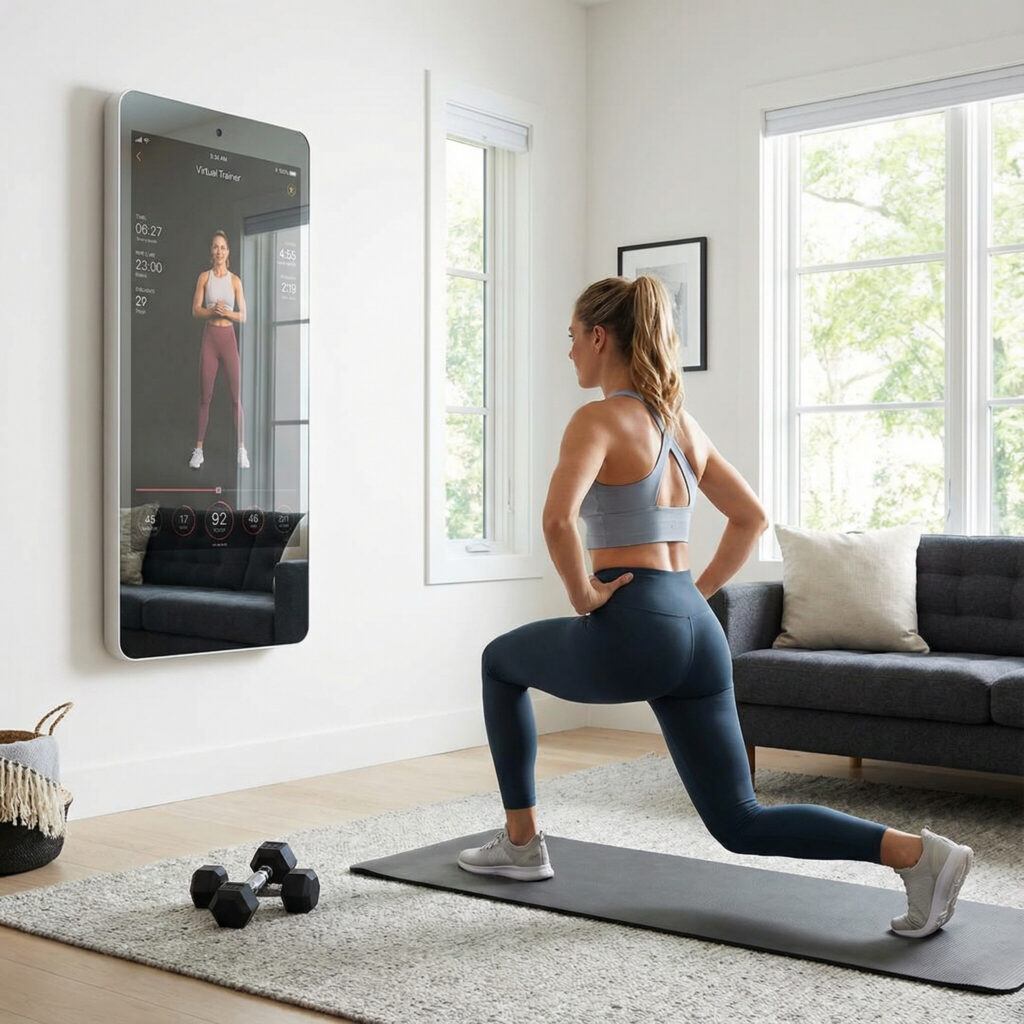
Health platforms like Garmin Connect or Apple Health pull in information from multiple devices, offering clear visuals of progress from week to week. Home smart mirrors and displays (like Lululemon Studio Mirror) show scores in real time and let you see how your effort stacks up against previous workouts or friends.
Lots of apps and gear allow you to set reminders, get nudges, and change plans if you miss days or hit benchmarks early. The combination of detailed feedback and AI coaching makes sticking to a workout program much easier than traditional home routines.
Clever Gear and Apps Pushing Things Forward
Smart fitness isn’t all about the top brands. Tons of lesser known but super helpful products are also changing how people train and recover in 2025. Here’s a quick guide into some smart fitness gear making that is standing out and making waves:
- JAXJOX InteractiveStudio: Tracks reps, delivers live dumbbell sessions, and connects with smart kettlebells and foam rollers for a deep analysis.
- Peloton Guide: This camera attaches to your TV and uses AI to count reps and monitor form during strength sessions, no bike or treadmill needed.
- FightCamp: An interactive boxing system tracking punch count, power, and combo speed, helping guide users through detailed routines.
- Hydrow Wave Rower: Provides live rowing classes and instant performance analysis.
- Fitbod App: AI creates custom strength plans based on your equipment and progress, syncing seamlessly with your Apple Watch or Google Fit.
Things to Consider Before Buying Smart Home Gym Equipment
Jumping into smart gym gear is exciting, but doing some homework first helps you pick the right setup. I’ve rounded up a few key things I always check before hitting “buy”:
- Space: Not all home gym tools fit tight rooms. Wallmounted setups save space while rowers or bikes need a dedicated spot.
- Subscription Fees: A lot of systems comes with monthly memberships, unlocking classes, coaching, and advanced features. Be sure to factor subscription costs into your plan.
- Compatibility: Confirm your apps and wearables work together, or you might get stuck with too many separate login screens—never fun.
- Internet Connection: Smart gym gear depends on reliable WiFi or Bluetooth. Poor signals mean features may lag or feel clunky.
- Privacy and Security: With more data collected these days, doublecheck what you control and how companies store your health info.
Battery Life and Charging
Smart home gym gear and wearables run on batteries. I keep device chargers organized in my gym space, and set reminders to top them up after workouts so you dont miss a training session due to no battery.
Advanced Tips for Getting the Most from Your Smart Gym
Making the most of your smart gym’s advanced features can seriously give a boost to results while making things more interesting. Here are a few tweaks that help level up a home gym routine:
Experimenting with all these tools is fun and practical for keeping your motivation up and your workouts fresh all year long.
Frequently Asked Questions on Building a Smart Home Gym
Questions about smart home gyms pop up all the time, so I’ve pulled together a few I hear most often:
Question: What’s the best starter piece for a smart home gym?
Answer: For most, a smart mirror (like Tempo or Lululemon Studio Mirror) or a compact allinone station (such as Tonal) is the top choice. They’re super versatile and don’t need as much room as racks of dumbbells.
Question: Are AI spotters actually helpful or mostly hype?
Answer: AI spotters in systems like Tonal and JAXJOX are remarkably accurate for monitoring form and keeping lifts safe. It’s really valuable, especially for anyone working out solo at home.
Question: How about privacy with smart gym data?
Answer: Most brands now offer controls for your health data in their apps. Take the time to review what data is stored and shared, and always enable added security like twofactor authentication.
Question: What do I do if my internet cuts out?
Answer: Certain features, like live classes, are offline until your connection is restored. Keeping some routines or downloaded workouts saved in your app helps you bridge those gaps.
Final Thoughts
There’s so much to look forward to with smart home gym trends for 2025. Whether you’re after a total fitness transformation or just want to stay healthy in your own space, the latest AI gear and fitness apps ensure it’s easier than ever to measure, motivate, and achieve results. With tons of options to fit any budget and space, building a home smart gym is more practical than ever. It’s a great way to stay flexible for whatever comes next in your fitness adventure.