Finding time to stay fit isn’t always easy, especially when you’re juggling long work hours, family responsibilities, and a busy schedule. That’s why more people are turning to home gyms and fitness technology to make workouts more convenient and efficient.
Whether you’re interested in smart weights, AI-powered exercise equipment, or fitness gadgets that help track your progress, the latest home gym technology is designed to help you get more out of every workout. In this article, I’ll explore the top fitness technology trends for 2025, highlight some of the most innovative equipment available, and discuss whether these tools are actually worth the investment for busy people looking to stay consistent with their fitness goals.
Smart Fitness Equipment: The Future Has Arrived
Home gym equipment has evolved far beyond simple dumbbells and resistance bands. Today, smart fitness technology is making it easier than ever to train from home while tracking your progress and improving workout efficiency.
Many modern home gym systems now use artificial intelligence, sensors, and advanced tracking features to provide a more personalized training experience. These technologies can monitor repetitions, workout performance, and exercise form, helping users stay on track with their fitness goals.
As the demand for convenient home workouts continues to grow, smart fitness equipment is becoming increasingly popular among people looking for a more interactive and data-driven approach to training. While these systems can be expensive, they offer features that were once only available through personal trainers and professional coaching.
Popular Fitness Technology for Home Gyms
Modern fitness technology is making home workouts more interactive, convenient, and data-driven than ever before. Here are some of the most popular innovations available today.
AI-Powered Smart Machines
Smart treadmills, exercise bikes, and rowing machines now offer live classes, performance tracking, and personalized workout recommendations. Popular brands such as Peloton, Echelon, and NordicTrack have helped make connected fitness more accessible, while systems like Tempo and Tonal use sensors and artificial intelligence to provide real-time coaching and form feedback.
Smart Weights
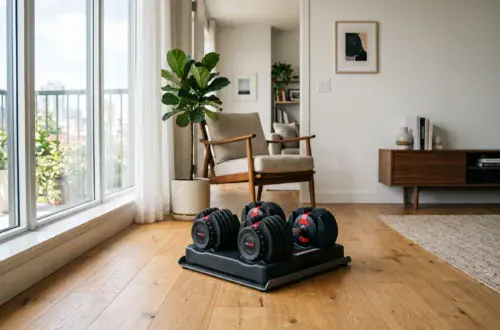
Technology has even found its way into traditional strength training equipment. Some smart dumbbells and kettlebells can track repetitions, workout volume, and training progress through connected mobile apps, helping users monitor their results over time.
Sensory Technology and Smart Spotters
Many modern strength machines include sensors that monitor movement patterns, resistance levels, and exercise technique. These features can help improve form, reduce injury risk, and provide greater confidence when training alone.
Connected Fitness Mirrors
Interactive fitness mirrors combine workout classes with real-time feedback. Users can follow guided sessions, view their technique, and stay engaged without needing additional screens or devices.
Wearable Fitness Trackers
Wearable devices remain one of the most popular forms of fitness technology. Smartwatches and fitness trackers from brands such as Apple, Garmin, and WHOOP can monitor heart rate, activity levels, recovery, sleep quality, and other health metrics to help users better understand their overall fitness progress.
Upgrading Your Home Gym With AI: What’s Out There?
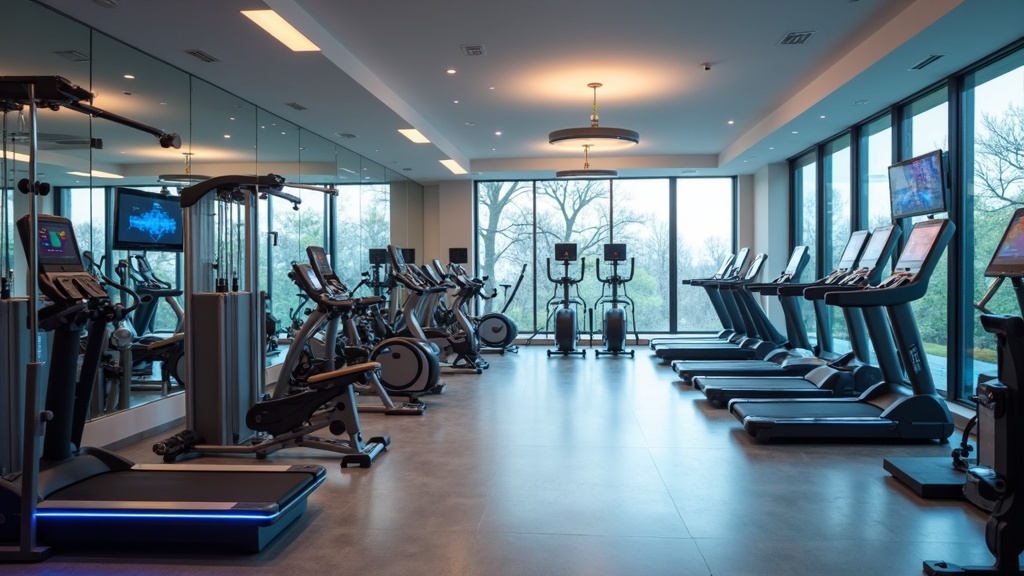
The buzz around artificial intelligence inside home gyms isn’t slowing down. AI technology is pretty handy for providing insights into your strength, cardio, and flexibility routines, often learning from your behaviors and offering fresh workout suggestions based on your current fitness levels. You’ll see machines that use AI to predict your 1rep max (the heaviest you can lift for one repetition), adjust resistance, or create custom training blocks based on your daily scores.
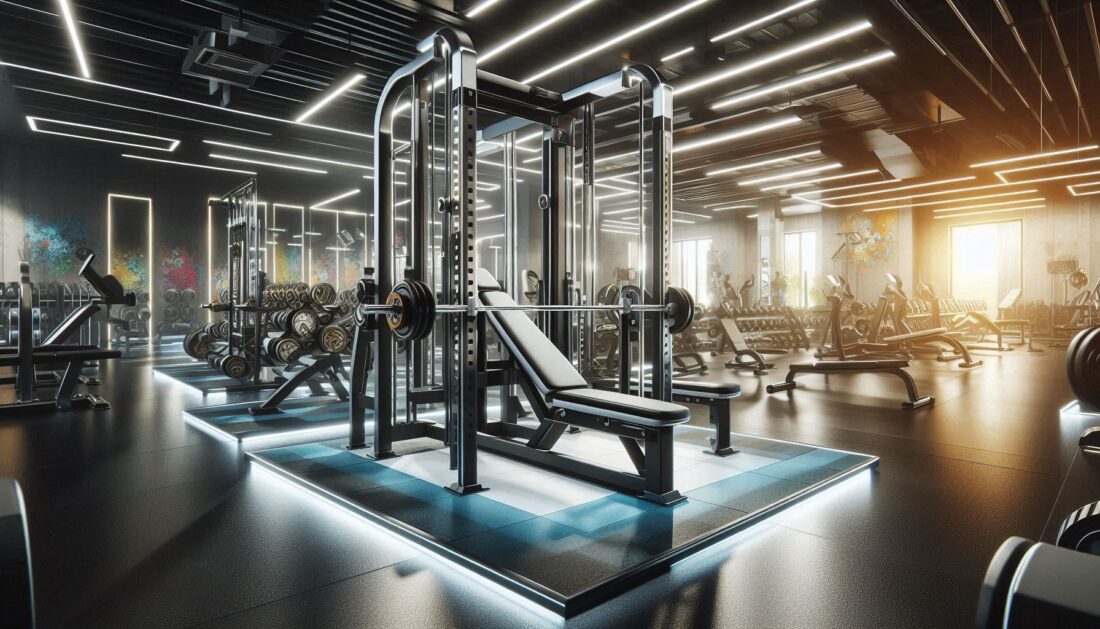
Some smart gyms use cameras and sensors that double as personal trainers, guiding you in real time and correcting your form automatically. For anyone nervous about lifting heavy weights without a spotter, modern smart benches and racks add load sensing systems. They detect when you’re close to muscle failure and can give a safety alert or even lock the weights to keep you safe, making home workouts less intimidating.
Additionally, the integration of AI with tracking platforms goes beyond simply analyzing data. Some systems can learn your exercise history and fatigue patterns to recommend recovery or an alternative movement when you’re at risk of overtraining. These adaptive capabilities set apart modern machines and help maintain long term progress without plateauing.
How Sensory and AI Tech Acts As Your Spotter
A big leap in home gym safety is the rise of sensory technology serving as a digital spotter. These systems use multiple movement and pressure sensors (often combined with AI algorithms) to watch your form and rep tempo. If they notice your barbell slows too much, shakes awkwardly, or veers off track, they’ll alert you or stop the machine automatically. Some systems provide real time voice feedback so you can adjust right away, making solo lifts safer and more effective.
Strength training platforms like Tonal or JAXJOX offer automated rep counting, range of motion checks, and force sensors. On some cable or rack machines, the system reduces resistance if it senses fatigue or can switch off to prevent you from pushing into potentially dangerous territory. This kind of innovation is great for both beginners, by building confidence, and advanced lifters wanting to push harder safely.
One more benefit of these spotter systems is they collect and display detailed stats during your workout session. You can check your form, speed, and rep consistency instantly. This feedback loop can give you the motivation to keep leveling up your strength and endurance.
Fitness Tech Trends For 2025 and Beyond
With each year, home fitness tech keeps getting smarter and more user friendly. Experts and big brands are already hinting at some trends I think you’ll keep seeing by 2025:
- Personalized AI Coaching – Machines and apps that adapt to your mood, recovery, and goals using daily health data. Expect plans made just for how you feel that day.
- Home Gym Ecosystems – Instead of separate apps, you’ll have platforms syncing all your tech (weights, cardio gear, trackers, apps) for a unified dashboard of your performance and health habits.
- Virtual Reality (VR) Training – More affordable VR headsets and fitness platforms give you the chance to run through a forest, climb mountains, or train with remote partners; all without leaving home.
- Biometric Sensing Integration – Equipment will be able to read muscle activation, hydration, stress levels, and even sleep cycles, tailoring training sessions for maximum results.
- Sustainable and Compact Designs – Foldable, sleek, energy efficient machines that fit smaller spaces and cost less to run will show up across top brand lineups.
These trends are about making fitness more accessible, safe, and customized, with a strong push toward health data integration and home first convenience.
Also, the future may see more integration with smart home systems, like lighting and temperature control, that automatically adjust based on your workout intensity, making your fitness space even more personalized and inviting. Many of these systems work even better when paired with one of the best fitness apps for home workouts, allowing users to track workouts, recovery, and long-term progress across multiple devices.
What To Consider Before Buying Smart Home Gym Equipment
Adding high tech machines to your home gym takes some planning. Here’s what I’ve learned really matters:
- Compatibility: Check that new gear syncs with the other apps and devices you already own; this keeps progress tracking simple.
- Updates & Support: Some brands offer more regular software updates and good customer support; this helps keep your machine running smoothly as tech evolves.
- Space & Power: Many new devices need WiFi, power outlets, and enough space to move safely, so measure twice before you buy!
- Privacy: Read up on how your data is handled. AI machines with cameras or mics often collect workout footage or biometrics, so knowing where that info goes is pretty important.
- Budget: High tech gear can be pricey. Sometimes older models work just as well, and you can mix smart gadgets with classic tools for a well rounded gym.
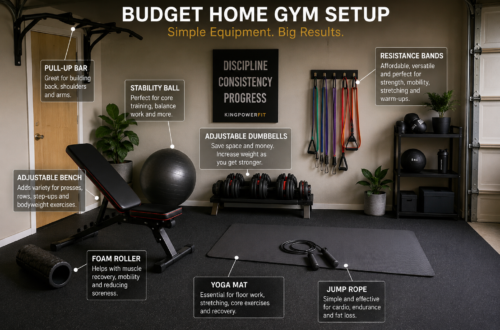
Making a list of must have features and setting a realistic budget early on will help you avoid overspending. Remember to think about future needs; sometimes, upgradable options are more cost effective in the long run. If you’re not ready to invest in expensive smart equipment, you can start with a budget-friendly setup using these DIY home gym ideas.
Common Home Tech Gym Challenges (And What Helps)
- Connectivity Problems: Make sure your workout space has strong WiFi, since many features need stable internet!
- Software Glitches: Check reviews for reliability. A machine that crashes mid workout is really frustrating.
- Upkeep and Cleaning: Tech gear sometimes needs careful cleaning and regular checks, especially screens, sensors, and weights with electronics inside.
Careful research helps buyers make informed decisions before spending on expensive gear, so don’t skip the reviews, return policies, and warranty details from reputable sellers.
Joining online communities and reading user testimonials can help you spot pitfalls or must know tips about specific equipment models. Most brands also offer setup guides and troubleshooting tips on their support pages—don’t hesitate to reach out if you get stuck.
Answers to Common Questions About Fitness Tech in Home Gyms
What is the fitness trend for 2025?
Answer: The fitness trend for 2025 is all about ultra personalized, data driven workouts using AI. People will use platforms combining smart equipment and wearables to get exercise and recovery plans made just for them, adjusting each day based on real time data.
What is the next big thing in the fitness industry?
Answer: The next big thing in fitness is AI powered sensory equipment that learns your body’s strengths and weaknesses, providing real time adjustments for safety and results. Virtual reality fitness and digital trainers are also quickly rising as people look for interactive, immersive workouts from home.
What is the future of the fitness industry?
Answer: The future of fitness is connected. Home gyms will feature AI systems, sensors, and smart gear that work together as a health ecosystem. Expect more tech focusing on holistic wellness, combining physical activity, mental health, recovery, and lifestyle data into one platform.
Smart Picks for Home Fitness Success
Fitness technology can transform home workouts, making them more enjoyable and effective. From AI spotters to connected weights and personalized training apps, the right gadgets can help keep you motivated and safe, especially if you often train alone. Keeping an eye on what’s new and investing in a few quality pieces makes it much easier to create a smart gym that actually fits your life and goals. The technology will keep evolving, so staying flexible and open to improvements lets you get the best experience as the home fitness world keeps moving forward. Home workouts VS gym workouts ? Now that you have an understanding of the technology out there for home workouts, would you consider transitioning to home gyms or stick to commercial gyms?