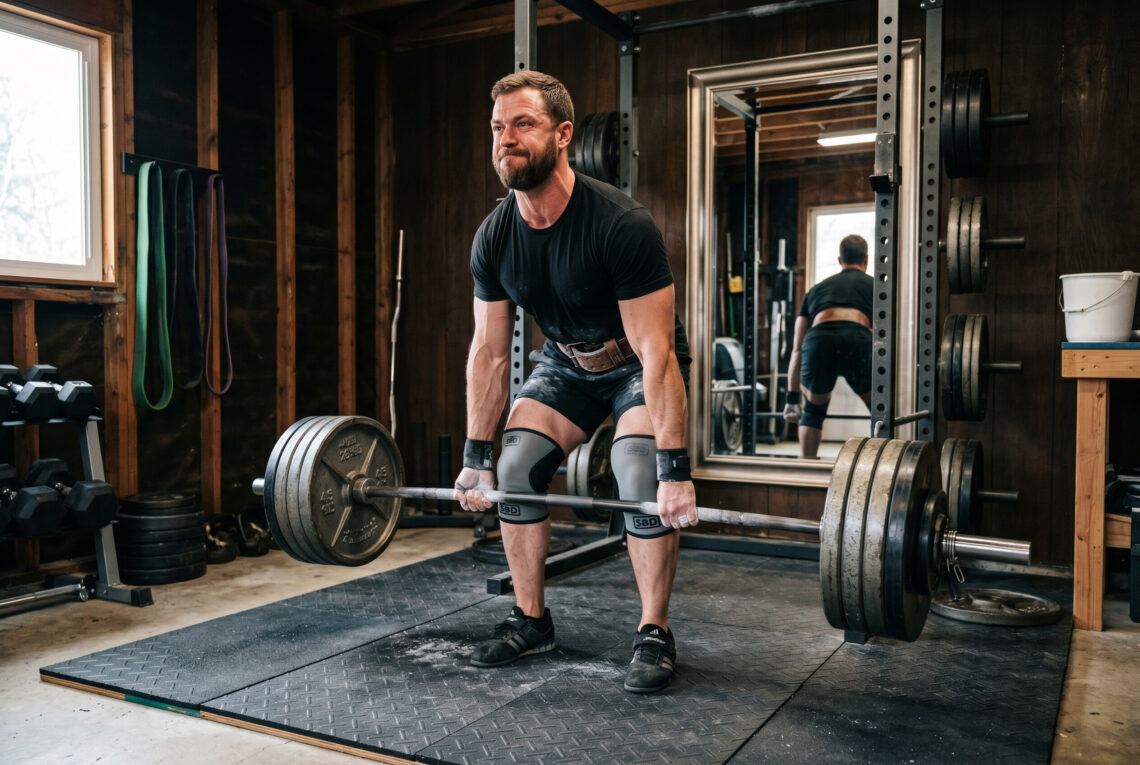
Powerlifting from home is one of the best ways to start building strength and stamina for your whole body. If you are living a busy lifestyle, working at a job most your day but don’t have much time to commute to a commercial gym, You may simply build one from home. Powerlifting set ups is quite simple to do. Especially if it’s focus revolves around barbells, plates & matts. You don’t need a fancy gym or tons of space to get started. By focusing on the basics, you can make steady gains right from your own living room, garage, or spare room.
What Is Powerlifting?
Powerlifting is a strength sport built on three movements: the squat, the bench press, and the deadlift. In competitions, athletes see how much weight they can lift for a single rep in each lift. For beginners at home, the focus starts with learning good technique and building a solid foundation, not just stacking numbers on the bar.
You don’t need to be a competitor to enjoy the benefits of powerlifting. Training these three lifts makes you stronger overall and can have a great impact on your general fitness and confidence.
Getting stronger at these 3 powerlifts can help you improve your day to day activity as you age, in the work place or even in regular day to day life.
You SQUAT in and out of your office chair or car/truck seats. Therefore getting stronger at the barbell squat will improve the mobility for you to get up and down without injury or hurting your back.
Learning proper DEADLIFT technique will allow you to pick up something from the floor in a safer way & be totally strong while doing it as well.
OVERHEAD presses helps you improve the strength of carrying objects over your head.
If you were to choose just a couple workouts and improve upon them for the rest of your life. These main compound lifts are the ONE!
Why Home Powerlifting Works
The biggest benefit is convenience, as you can fit your workout into your schedule at any time. There are no gym crowds, no waiting for equipment, and no commute. If you invest in your own gear, you can also save money over time compared to a gym membership, especially if you stick with powerlifting long-term.
Training at home also means having control over your environment: you pick your music, set up your space, and train how you want without pressures of anyone watching or judging, especially if you are a beginner trying to practice your form and technique. Also , if you have kids, they will watch you show up with discipline everyday & they will choose to copy what you do as a by product.
Essential Equipment for At-Home Powerlifting
Getting started doesn’t mean loading your space with every piece of gym equipment. Here’s what you really need to begin powerlifting safely and effectively at home:
- Barbell: The main tool for every powerlifter. A standard Olympic barbell (about 7 feet and 20kg/45lbs) is a great investment. Look for one with (the rough grip surface) to enhance your lifts with a strong grip.
- Weight Plates: Get a mix of plates—pairs of 2.5kg/5lb, 5kg/10lb, 10kg/25lb, 20kg/45lb, and maybe even heavier if you have the space and budget. Bumper plates are great if you’ll be lifting on a hard floor.
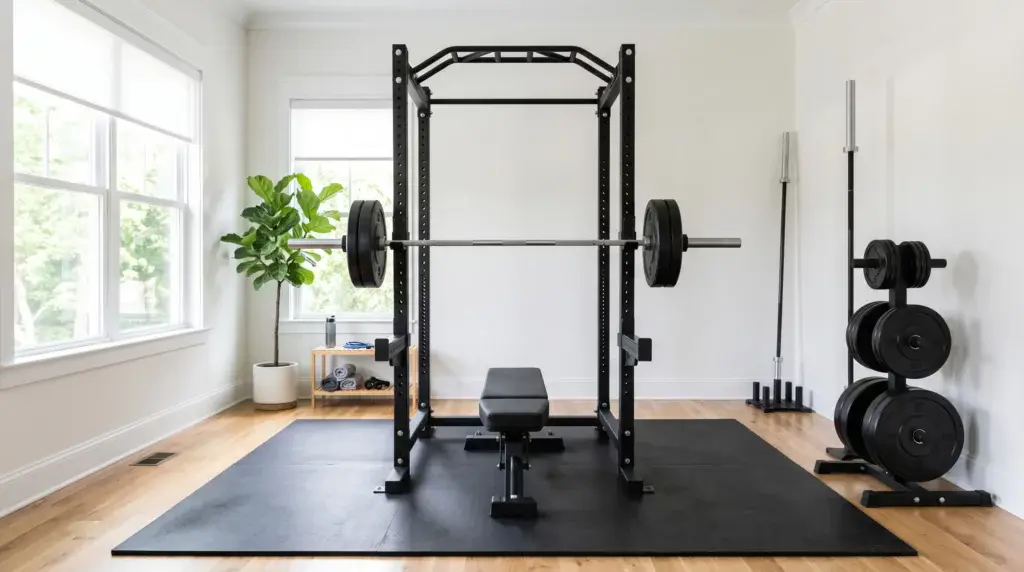
- Power Rack or Squat Stands: A solid power rack is super useful for both squats and bench presses. If you’re tight on space or budget, quality squat stands can work, but make sure they’re safe and stable. Many racks include safety bars, please use them if you are working at a PR. These are really important if you train alone.
- Bench: A flat, strong bench is needed for the bench press. Look for one that is stable and solid.
- Flooring: Rubber mats or interlocking tiles protect your floor and help reduce noise. Not essential, but worth considering if you want to keep your space in good shape.
- Chalk: Lifting chalk isn’t required, but it helps keep your grip strong during heavy sets. Just be prepared for a little bit of mess.
Optional extras: Before getting into any of your heavy compound lifts, you should definitely work on your mobility & warm up certain areas that will help improve your lifts. So here is a list of things that could help:
- Yoga mat to use if you are doing certain mobility movements that requires you to lay on the floor.
- Resistance bands: Helps give your muscles that stretch and burn requires to open up your hips & joints to prepare for heavy lifting.
- Chalk : Help improves grip strength
- Wrist bands : Help tightens your wrist, keeping it strong and stiff to lift upper body movements such as bench press & Military presses.
- Wrist Wraps: Helps Wraps the bar during heavy deadlifts, as when you stack on heavy weights, you will start to lose grip of the bar. This keeps your lifts solid & stable.
- Knee Sleeves: Keep knees warm and supported during squats, which can make joint aches less likely and offer a touch of psychological support.
- Lifting Belt: Provides support for heavy squats and deadlifts, giving you more confidence as you push heavier loads.
- Foam Roller: Great for recovery and keeping muscles loose. Regular rolling before and after sessions helps mobility and can keep you feeling fresh.
Getting Started: Set Up Your Training Space
Pick a spot that’s level with enough clearance for both you and your Squat rack. Most people use a garage, spare room, or basement, but you can set up anywhere you have enough room to lower into a squat without obstructions. Ideally, you want a place with enough headroom for overhead movements too, even if you mostly focus on squat, bench, and deadlift.
Make sure your squat rack is screwed to the floor. The most dangerous hazard that we could encounter with a squat rack is having it tipped over once we rack the barbell with heavy weights. It’s up to you if you want to put a mirror in front to watch your form as you lift. Always make sure nothing gets in the way of your movement and that your gear is set up correctly.
Learn the Big Three Lifts
The heart of powerlifting is in doing the basics well. Spend time perfecting good technique before adding the weight.
- Squat guide: Rests the bar on your upper back for high bar squat, and a bit lower for low bar squat. For Taller people with longer femur is best suited for a lower bar squat. For shorter people a high bar squat with more of an upright torso will improve this person’s lifts. However you may adjust and improve as you learn the movements. Feet needs to be about shoulder width apart, hips back, knees tracking over toes. Lower your body in a squat position with knees pointing outwards until at least your thighs are parallel to the floor, then drive up. Focus on keeping your core tight and your back straight throughout the movement.
- Bench Press: Lie flat, eyes under the bar, grip slightly wider than shoulder width. Lower the bar to mid chest, keep your feet flat, and press up. A slight arch in your back is normal, but don’t overdo it. If possible, have spotter bars in place to protect yourself just in case.
- Conventional Deadlift: Stand with feet hip width, grip the bar just outside your legs. Keep your back flat. Imagine breaking the bar to engage your lats. Once your body is hard and rock solid, imagine pushing through the floor like you’re doing a standing leg press or imagine splitting the crack on the floor. You should not lift the barbell using your lower back. The bar should travel in a straight line close to your body. Keep your arms straight throughout the lift. (Don’t bend it like you’re doing a barbell) curl.
Basic Beginner Powerlifting Program
Sticking with a simple program in the beginning is a great way to build strength and see progress without getting overwhelmed. As time goes on, you may choose to increase intensity & volume. Here’s a practical template that works well for most people:
- 3 Days a Week: Aim for three full body workouts. For example, Monday, Wednesday, and Friday.
- Main Lifts Each Session:
- Squat: 5 sets of 5 reps
- Bench Press (or Overhead Press): 5 sets of 5 reps
- Deadlift: 5 sets of 5 reps
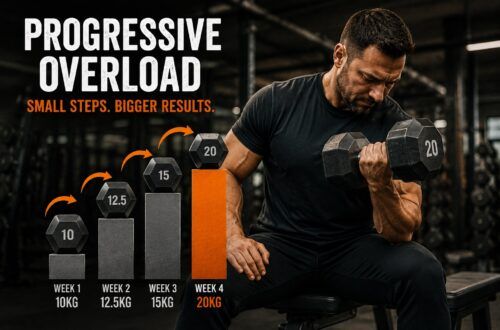
- Focus on Form: Start with lighter weights to master technique, then add small increments as you improve. Even a fractional amount of weight per session adds up fast over a few months.
- Rest: Take 2–3 minutes between sets for the main lifts. When you rest, you are not being lazy. This is a skill you need to practice . Your body needs time to rebuild the energy system ATP in your body. This is very important for powerlifting. After a good Rest, it helps you perform the lift with strength and proper execution.
- Log Your Workouts: Use a simple notebook, app, or spreadsheet to keep track. This is super helpful for spotting progress and areas that need work. Over time, seeing your records climb will keep you motivated to push forward.
Common Challenges When Training at Home
There are a few hurdles that pop up when lifting from home, but knowing what to expect helps you get past them:
- Motivation: Training solo can feel tough on days you’re not feeling it. There is no one there to keep you accountable but you. So you need structure, system and discipline to make this work.
- Form Plateaus: Without a coach or spotter, it’s easy to let technique slip. Use your phone to record lifts and check your form.
- Safety: No spotter means you need safety bars in your rack or a plan to bail safely from failed reps, especially for squats and bench. Always make safety your absolute priority. It’s tempting to push your limits, but one risky lift isn’t worth an injury that could set you back for months.
- Equipment Upgrades: Start with basics, but as you get stronger, you may want heavier plates, a better barbell, or a bench with more padding.
Frequently Asked Questions
What’s the best way to learn proper powerlifting form at home?
Watching instructional videos from credible coaches, recording your lifts, and using feedback from online communities are all really helpful. Books like “Starting Strength” break things down step by step, too. The key is to stay open to feedback and make small corrections as you go.
Do I really need a power rack?
While squat stands can work in tight spaces, a proper power rack with safety bars is much safer, especially when lifting alone. It’s worth saving up for one if you plan to stick with powerlifting. Think of it as a long-term investment in your safety and performance.
How do I avoid injuries when training solo?
Always prioritize good technique over adding weight. Don’t rush progress. Warm up before lifting and use safety bars or stands for anything heavy. If something hurts (not soreness, but actual pain), stop and assess what’s going on. Don’t ignore warning signs from your body.
Final Thoughts
Getting into powerlifting at home is more about showing up and putting in the work than having the fanciest gear or perfect setup. A simple home gym with the basics is enough to help you build real strength and confidence. Focus on form, track your progress, and enjoy the adventure. Remember, some of the best progress comes from consistency and steady effort over time. Stick with it, and you’ll be amazed at the results you can achieve right at home.