
Prefer Listening to this article? Hit play below for the audio version and enjoy while driving.
As a full-time truck driver working long shifts, I’m always looking for practical ways to fit movement and exercise into my day.
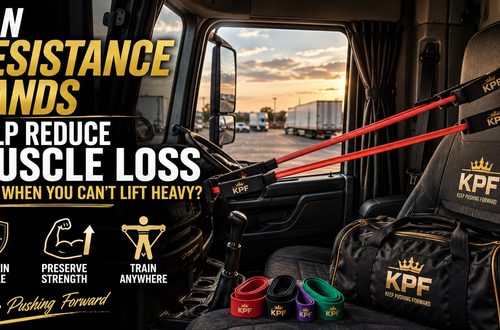
I’m trying to turn the inside of my truck cab into a convenient place to train without needing a gym. Since I’m always on the road, this is one of the best ways for me to squeeze in micro workouts throughout the day.
Even though space is limited and there aren’t any machines, cable stations or dumbbell racks around, that doesn’t mean we can’t find other ways to train.
So I started experimenting with different ways to use resistance bands safely inside and around my own truck cab. Unlike in a gym, we can’t always program our workouts in the traditional way. So, as a truck driver trying to stay fit while working 12-hour shifts, I’m always looking at what I already have around me and finding ways to make the bands work.
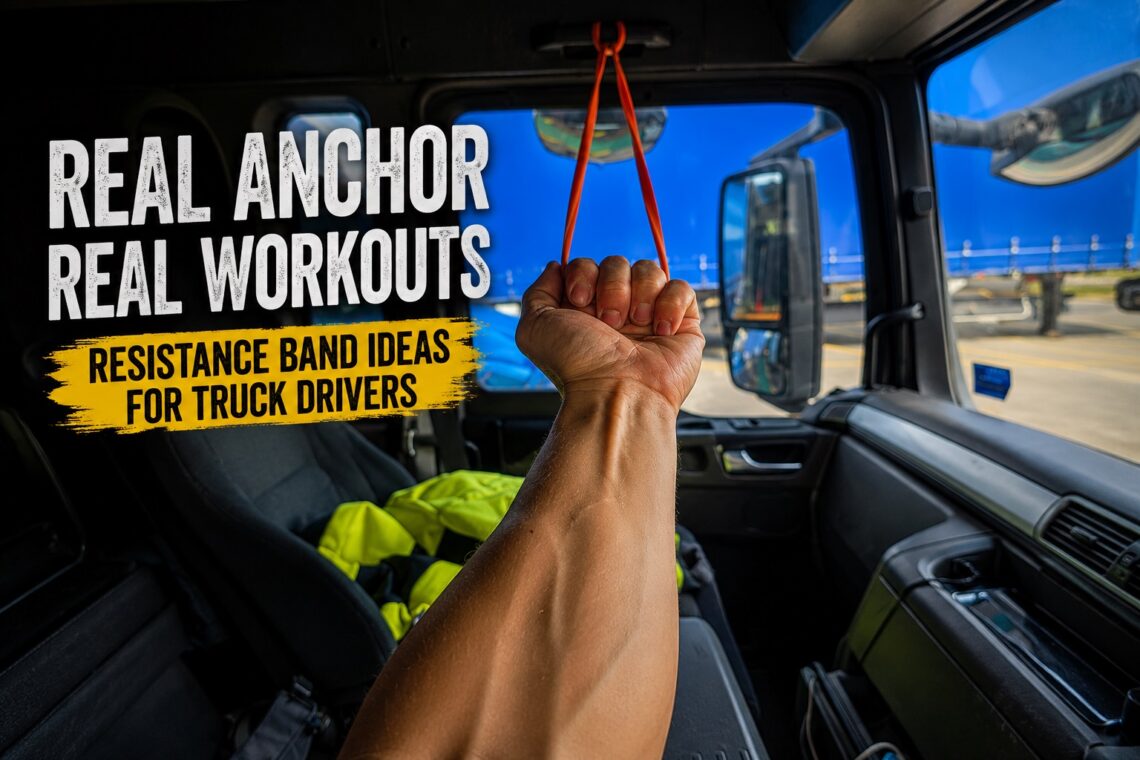
In this article, I’m sharing some of the resistance band anchoring ideas I’ve tested and used in my own truck.
These aren’t universal anchor points for every truck. Truck designs, handles, seats and attachment points can all be different. This is simply what I’m experimenting with in my own truck.
Using My Driver’s Seat Without an Anchor Point
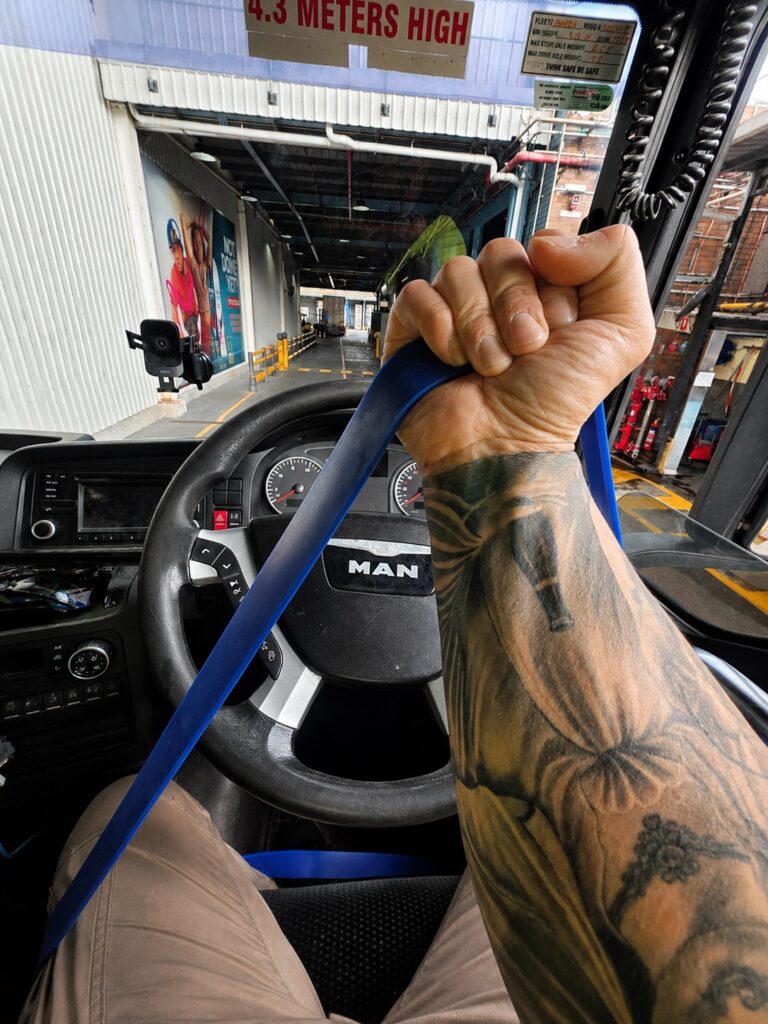
The first setup doesn’t actually require me to attach the resistance band to the truck at all.
I sit normally in my driver’s seat and wrap the band around the outside of both knees, or I can simply step on the band. The wider I open my hips, the tighter the resistance becomes.
My legs help hold the band in position while I perform seated bicep curls. I keep tension through every contraction and eccentric, really focusing on that mind-muscle connection.
It’s a simple setup, but that’s exactly what this is about: convenience and simplicity.
I don’t need to leave the driver’s seat.
I don’t need to attach the band to anything.
I can simply sit down exactly where I am, position the band around my knees and perform controlled bicep curls.
For a truck driver sitting at a loading dock or waiting during downtime, this is the type of setup that fits well with our lifestyle. I’ve also been exploring whether resistance bands can genuinely build muscle, especially when they’re used with controlled reps and enough tension.
Passenger-Side Grab Handle Inside the Cab
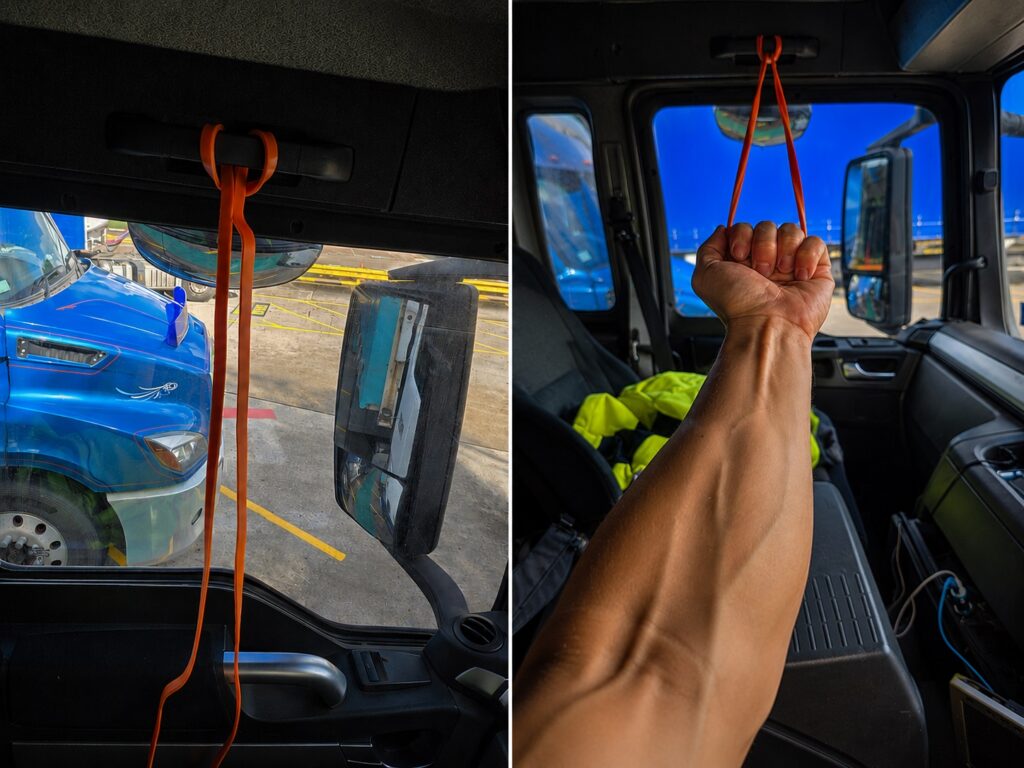
Another anchor point I’m experimenting with is the grab handle on the passenger side of my truck.
My truck has a grab handle higher up inside the cab, which gives me a higher anchoring position for the resistance band.
A high anchor point opens up different exercise possibilities compared with keeping the band closer to the floor.
Some of the exercises I’m experimenting with from this position include:
- Overhead bicep curls
- Tricep extensions
- Face pulls
By changing where I stand or sit in relation to the anchor point, I can also change the direction of the resistance.
This is something I want to continue testing because one secure high anchor point could potentially allow me to train several different muscle groups without needing much space.
Exterior Grab Handle Used to Climb Into the Truck
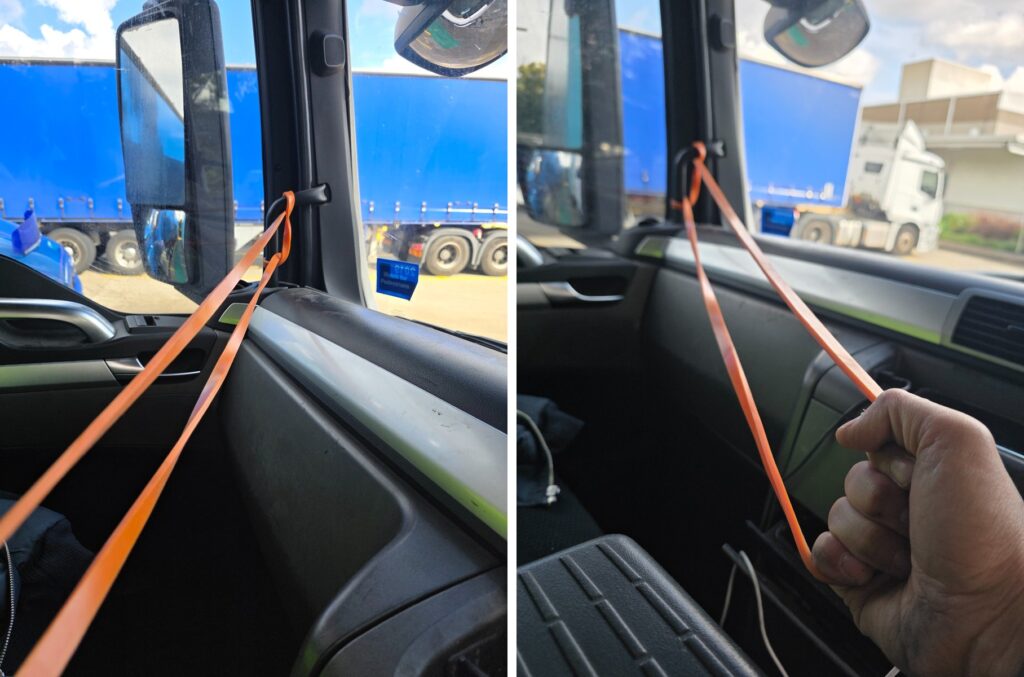
Another spot I’m experimenting with is the exterior grab handle that I use when climbing into the truck.
Because this handle sits at a lower point on the passenger side of the cab, it gives me a similar setup but a different angle of movement when performing exercises. For example, instead of overhead bicep curls, I can perform a more traditional bicep curl from a lower position.
I can experiment with similar exercises to the ones above, but changing the angle of resistance can change how the movement feels and which muscles are being targeted.
This is where I think resistance bands can become especially useful for truck drivers.
A truck is obviously not designed to be a gym, but there may already be strong and practical locations around the vehicle that can be used during breaks.
The important part is finding out what actually works safely in the real world. If you’re a truck driver sitting in the driver’s seat right now reading this article, look up and look to your left.
If you see a handle just like this, it may be all you need to start making some progress with resistance bands.
Why I’m Testing These Ideas Myself
I don’t want to write articles telling truck drivers to do exercises I’ve never tried myself.
That’s why I’m taking my own resistance bands to work and experimenting with them during my actual shifts.
I want to know:
- Which setups are genuinely convenient?
- Which exercises feel awkward inside a small cab?
- Which anchor positions work best?
- How long does it take to set everything up?
- Can I actually fit these exercises into a normal working day?
- And most importantly, would I personally keep doing them?
These are the things I want to learn through real-world testing.
As I continue experimenting, I’ll add more exercises, photos and ideas based on what actually works for me in future articles.
A Quick Safety Note
Before using resistance bands around any truck, I inspect the band and the area I’m considering using.
I don’t assume that every handle or attachment point is designed to handle resistance band tension.
Truck designs vary, and something that works on my truck may not be suitable on another truck.
I also avoid sharp edges, moving parts, controls, doors or anything that could damage the band or create a risk if the band slipped.
Before applying significant tension, I test the setup gradually and make sure the band isn’t likely to rub, snap, slip or pull toward my face.
These are simply the locations I’m personally experimenting with on my own truck.
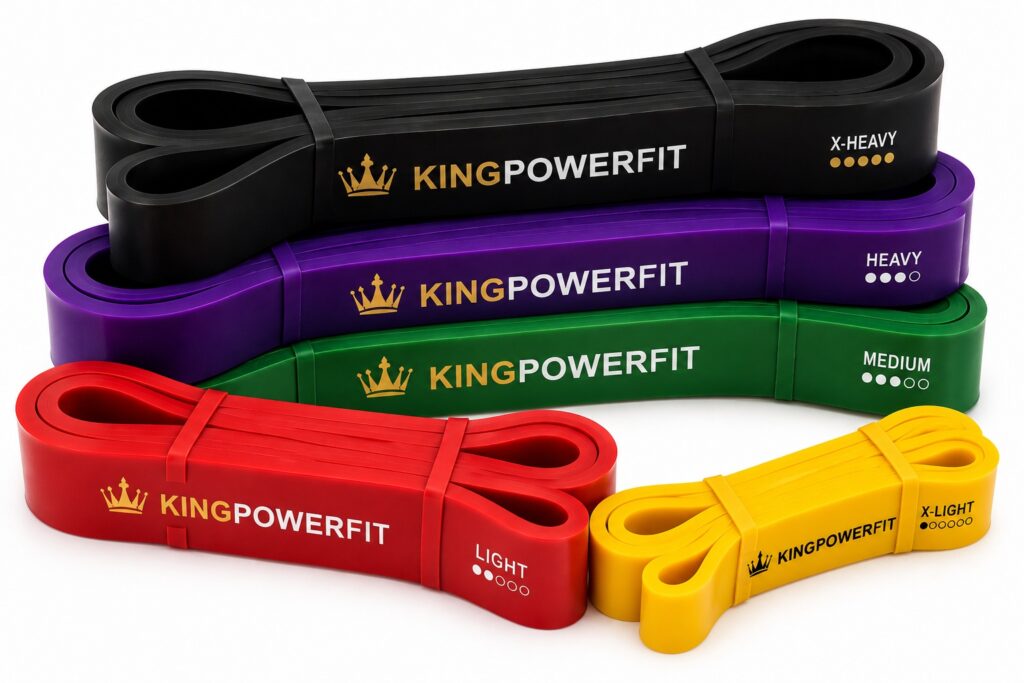
Below is the exact resistance band set I’m currently using and testing in my truck.
It comes in a pack of four, with each band having a different length and thickness. This gives me a few different options depending on the exercise and type of workout I’m doing.
Recommended Product: This is the exact resistance band set I’m currently using and testing.
Final Thoughts
I’m still learning what works.
But that’s the whole point of this experiment.
I’m a full-time truck driver and a former personal trainer, and I’m trying to find realistic ways to stay active around long working hours.
I don’t have a perfect gym setup inside my truck.
I have a driver’s seat, a few potential anchoring locations and a set of resistance bands.
So I’m going to keep testing.
Over time, I hope to build a collection of practical exercises that I can genuinely use during my own shifts and share with other truck drivers looking for simple ways to move more.
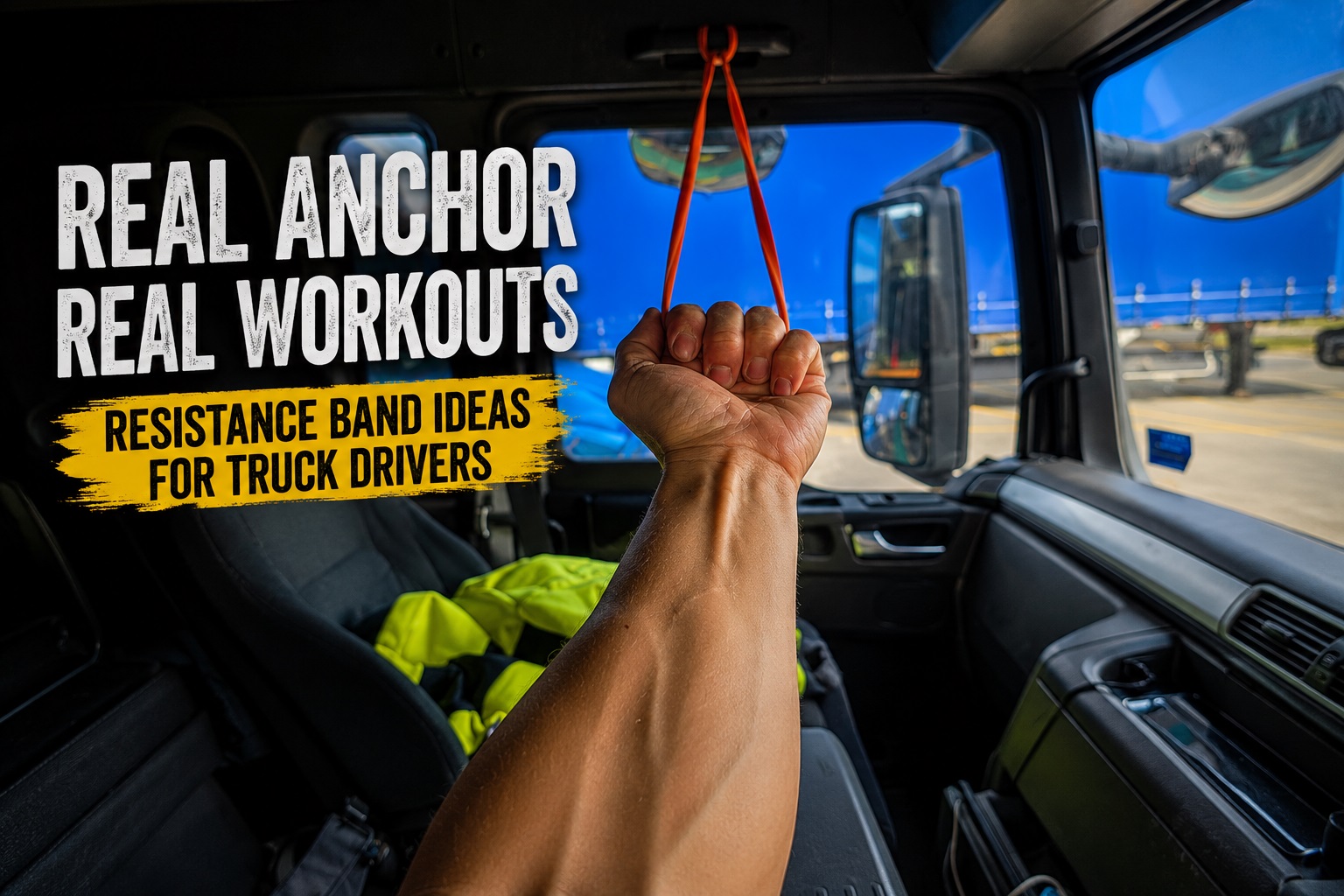
This is what I anchor my resistance bands to in my truck.
Other trucks may have similar spots.
The only way for me to know what genuinely works is to keep testing it in the real world.


As a working mom who spends a lot of time driving to and from work, I really connected with this post. By the time I get home, hitting the gym often feels impossible, so the idea of using resistance bands in small spaces really speaks to me. I love how you’re experimenting with simple setups that don’t require fancy equipment; it makes fitness feel more approachable for people with packed schedules like mine.
I would like to know: have you found certain resistance band exercises that are especially effective for quick full‑body workouts when time is tight? That’s the kind of routine I’d love to squeeze in during my busy days.
Hi Alice,Thanks so much for taking the time to read the article and leave such a thoughtful comment. I really appreciate it.
There are many great full-body workouts you can do with resistance bands. The exercises in this article mainly focus on the upper body because they’re designed to be done inside the truck cab. If you’re looking for a full body workout routine using resistance bands, check out my other article on resistance band exercises for truck drivers.
Although it’s written with truck drivers in mind, the same principles can apply to almost anyone looking for a simple, effective full-body workout with minimal equipment. Thanks again for your comment, and I hope you find those exercises helpful!