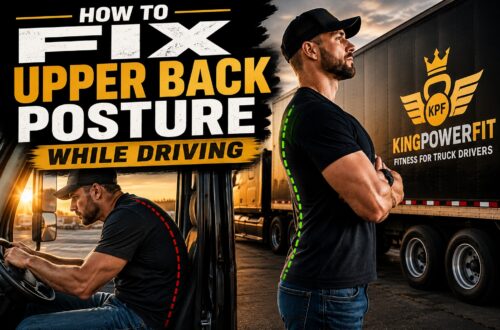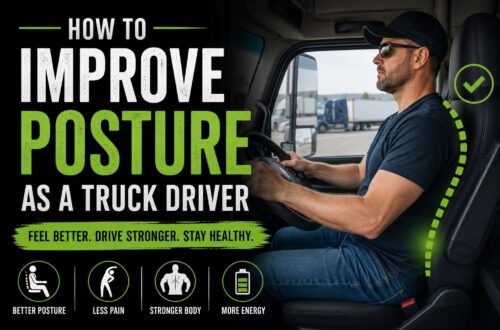

Back pain is one of the most common problems truck drivers face. Long hours behind the wheel, limited movement, and sitting in the same position for extended periods can all take a toll on your body.
As a truck driver myself, I know how easy it is to finish a long shift feeling stiff, sore, and tight through the lower back, upper back and hips.
In this article, I’ll share some simple and practical strategies that can help reduce back pain, improve mobility, and keep you feeling your best both on and off the road.
Back pain is one of the most common problem among truck drivers. The main reason is we spend long hours sitting behind the wheel with very little movement throughout the day.
When you sit for extended periods, your hips can become tight, your muscles can stiffen up, and your posture is hunched forward without you realising. Over time, this can place extra stress on your lower back & upper back leading to discomfort both on and off the job.
Another factor is the constant vibration from the road. While it may not seem like much at first, spending hours exposed to vibration day and bumpy roads, it can contribute to discomfort in the lumbar spine & cause pain over time.
Common causes of back pain in truck drivers include:
* Long hours of sitting
* Poor posture while driving
* Tight hips and hamstrings
* Lack of regular movement
* Weak core muscles
* Constant road vibration
* Poor recovery and sleep
Many of these issues can be improved through regular movement, stretching, strength training, and better recovery habits.
Move More Throughout the Day
One of the simplest ways to reduce back pain is to move more throughout the day. Sometimes just a few minutes of movement can help reduce stiffness and get the blood flowing again.
Whenever possible, take advantage of your breaks and truck stops to get out of the cab and move around.
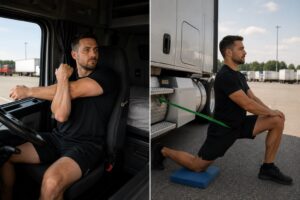
Here are a few simple ideas:
Stretch Your Legs
Simple hamstring, quad, and calf stretches can help reduce tension in the lower body. Tight muscles in the legs and hips often contribute to lower back discomfort.
Improve Hip Mobility
Truck drivers spend most of the day sitting, which can cause the hips to become tight. Simple mobility exercises such as leg swings, hip circles, or bodyweight lunges can help improve flexibility and reduce stiffness.
Even if you’re waiting to be loaded or unloaded, try standing up, walking around, or performing a few stretches. Small amounts of movement throughout the day can make a big difference over time.
Simple Stretches for Truck Drivers
You don’t always have time for a long mobility session, but a few simple stretches during your breaks can help reduce stiffness and improve mobility.
Try incorporating some of these exercises throughout the day:
Shoulder Rolls
Long hours of driving can cause tension in the upper back and shoulders. Roll your shoulders forwards and backwards for 10–15 repetitions to help loosen tight muscles.
Overhead Stretch
Stand upright and reach both arms overhead. Stretch as high as possible while taking a few deep breaths. This can help improve posture and reduce upper body tightness.
Torso Rotations
Standing or sitting upright, gently rotate your upper body from side to side. This helps improve spinal mobility and can reduce stiffness from prolonged sitting.
Hip Flexor Stretch
Tight hip flexors are common among truck drivers. A simple hip flexor stretch during your break can help reduce tension that may contribute to lower back pain.
The goal isn’t to perform a perfect stretching routine. The goal is simply to move more often. Even a few minutes of stretching at each truck stop can help reduce stiffness and leave you feeling better throughout the day.
Strength Training for Long-Term Back Pain Relief
While stretching and mobility exercises can help reduce stiffness, strength training is one of the best long-term solutions for back pain.
A stronger body is better equipped to handle the demands of long hours behind the wheel. In particular, strengthening the core, glutes, and lower body can help improve posture and provide better support for the spine.
Focus on Core Strength
Your core acts as a support system for your lower back. Weak core muscles can lead to poor posture and increased stress on the spine.
Simple exercises include:
* Planks
* Side planks
* Glute bridges
*Body weight squats
Start with bodyweight exercises and focus on proper technique rather than trying to do too much too soon.
Use Resistance Bands
Resistance bands are one of my favourite training tools for truck drivers. They’re lightweight, affordable, and can easily be stored in the cab.
A few effective resistance band exercises include:
* Band rows
* Face pulls
* Chest presses
* Band pull-aparts
Not only can resistance bands help build strength, but they can also improve posture and reduce muscle imbalances that may contribute to back pain.
The goal isn’t to become a bodybuilder. The goal is to build a stronger, more resilient body that can better handle the physical demands of truck driving.
Improve Your Driving Posture
Poor posture is one of the biggest contributors to back pain among truck drivers. When you spend hours behind the wheel, even small posture issues can compound over time.
A few simple adjustments can help reduce stress on your lower back and improve comfort throughout the day.
Adjust Your Seat Correctly
Your seat should allow you to comfortably reach the pedals and steering wheel without stretching or slouching.
Try to:
* Sit upright with your shoulders relaxed
* Keep your feet comfortably positioned on the pedals
* Maintain a slight bend in your knees
* Keep your lower back supported by the seat
Consider Lumbar Support – My Personal Recommendation.
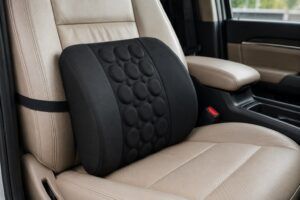
If your seat lacks proper lower back support, a lumbar cushion may help improve comfort during long drives.
The goal is to maintain the natural curve of your spine and reduce the tendency to slouch or sink into the seat. Spending long hours in a poor seated position can place additional stress on the lower back and surrounding muscles.
Road vibration and rough surfaces can also contribute to discomfort over time. When combined with poor posture and extended periods of sitting, it’s easy to see why many truck drivers experience lower back pain.
A quality lumbar cushion won’t solve the problem on its own, but it may help improve posture and provide additional support during long shifts.
Check Your Posture Regularly
It’s easy to fall into poor posture when you’re tired or focused on the road. Use your breaks as a reminder to reset your posture, stretch, and move around.
While good posture won’t eliminate back pain completely, it can help reduce unnecessary strain on your muscles and joints over time.
Prioritise Sleep and Recovery
Many truck drivers focus on training and nutrition but overlook one of the most important factors for recovery — sleep.
When you’re constantly running on limited sleep, your body has less time to recover from the physical demands of long shifts. This can lead to increased muscle stiffness, fatigue, and aches throughout the body.
To support recovery and help reduce back pain, try to:
- Aim for 7–9 hours of quality sleep each night
- Stay hydrated throughout the day
- Eat a balanced diet rich in protein and whole foods
- Manage stress levels where possible
- Avoid sitting for long periods outside of work
As a truck driver myself, I’ve found that the less active I am outside of work, the worse my back feels. Regular strength training, walking, and mobility work have made a noticeable difference to how I feel after a long shift.
Remember, recovery is where the body repairs and rebuilds itself. The better you recover, the better you’ll feel both on and off the road.
Products That May Help Reduce Back Pain
While exercise, mobility, and good posture should be your primary focus, certain products may help improve comfort during long shifts.
Some popular options include:
- Lumbar support cushions
- Seat cushions
- Resistance bands
- Massage guns
- Foam rollers
- Heating pads
These products won’t fix the root cause of back pain on their own, but they may help reduce discomfort and support your overall recovery plan.
If you’re considering any of these products, make sure to choose one that suits your individual needs and driving setup.
Conclusion
Back pain is a common challenge for truck drivers, but it doesn’t have to be accepted as part of the job. While long hours of sitting, poor posture, and limited movement can place stress on the body, there are practical steps you can take to reduce discomfort and improve your overall health.
Simple habits such as moving more during breaks, stretching regularly, improving your posture, and incorporating strength training into your routine can make a significant difference over time.
Remember, you don’t need to be perfect. Small consistent actions performed day after day will always beat doing nothing at all. Start with one or two changes, stay consistent, and gradually build healthier habits. Your back, your body, and your future self will thank you for it.
Related Articles
- How to Stay Fit as a Truck Driver Working 12-Hour Shifts
- Best Resistance Band Workout for Truck Drivers
- A Full Body Dumbbell Circuit at Truck Stop
- Strength Training for Beginners at Home
- Progressive Overload Training