For years, carbohydrates have been given a bad reputation.
There is a lot of information out there about carbs, and you’ll always find someone telling you to cut them out, avoid bread, stop eating rice, or even remove carbohydrates completely from your diet.
I’ve been there myself.
I’ve tried eating as little as 100 grams of carbohydrates a day.
I’ve even tried the keto diet, where most of your energy comes from fats rather than carbohydrates.
At the time, I genuinely believed carbohydrates were the problem.
But after years of driving trucks, strength training consistently, and paying much closer attention to how my body feels and performs, my opinion has changed.
If you’re wondering what being fit really means beyond simply looking lean, I encourage you to read my article on What Does Being Fit Really Mean? A Truck Driver’s Perspective.
This article isn’t based on chasing the latest diet trend. It’s based on my own experiences experimenting with different ways of eating while working long shifts and trying to stay strong, healthy, and consistent with my training.
Why I Changed My Mind About Carbohydrates
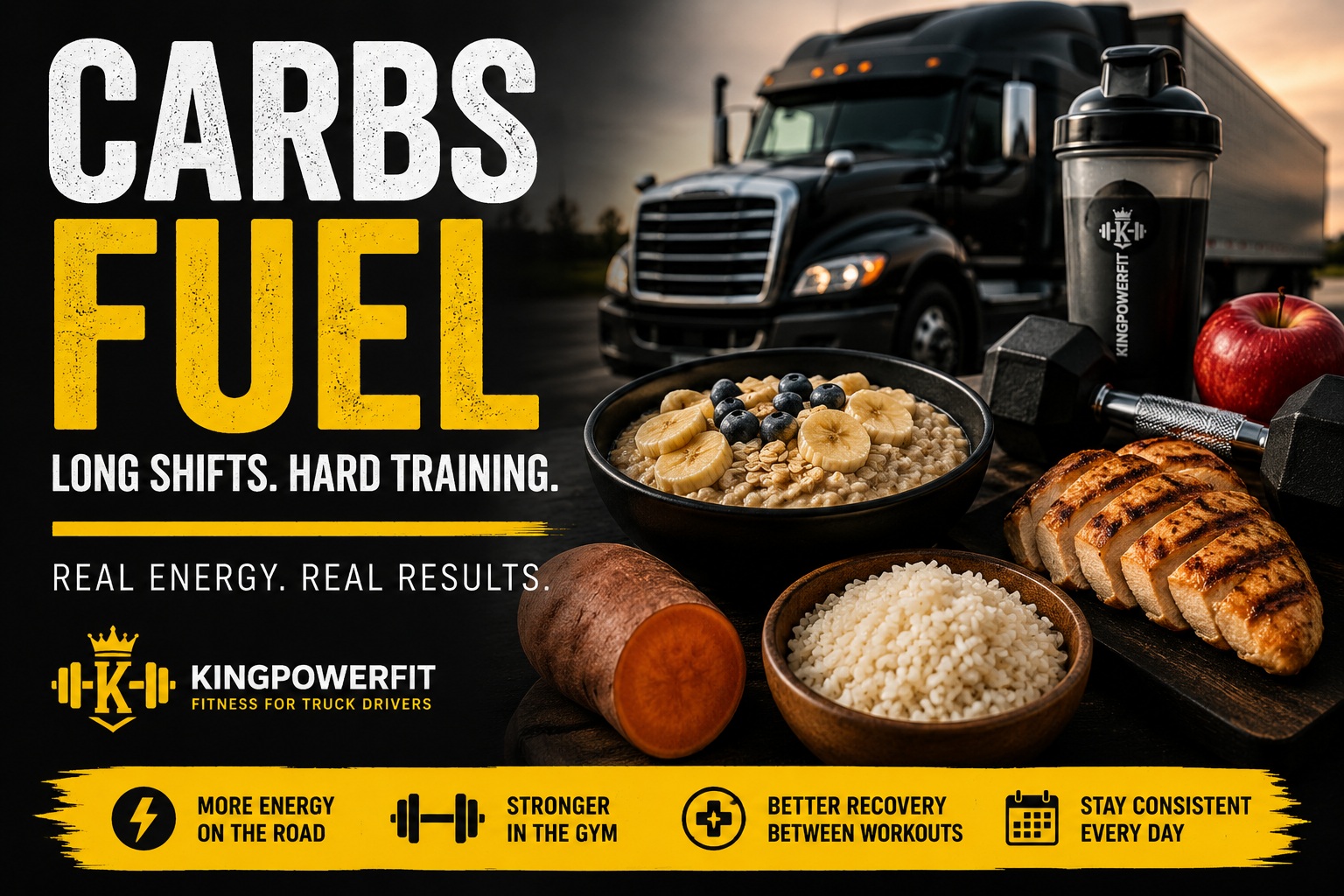
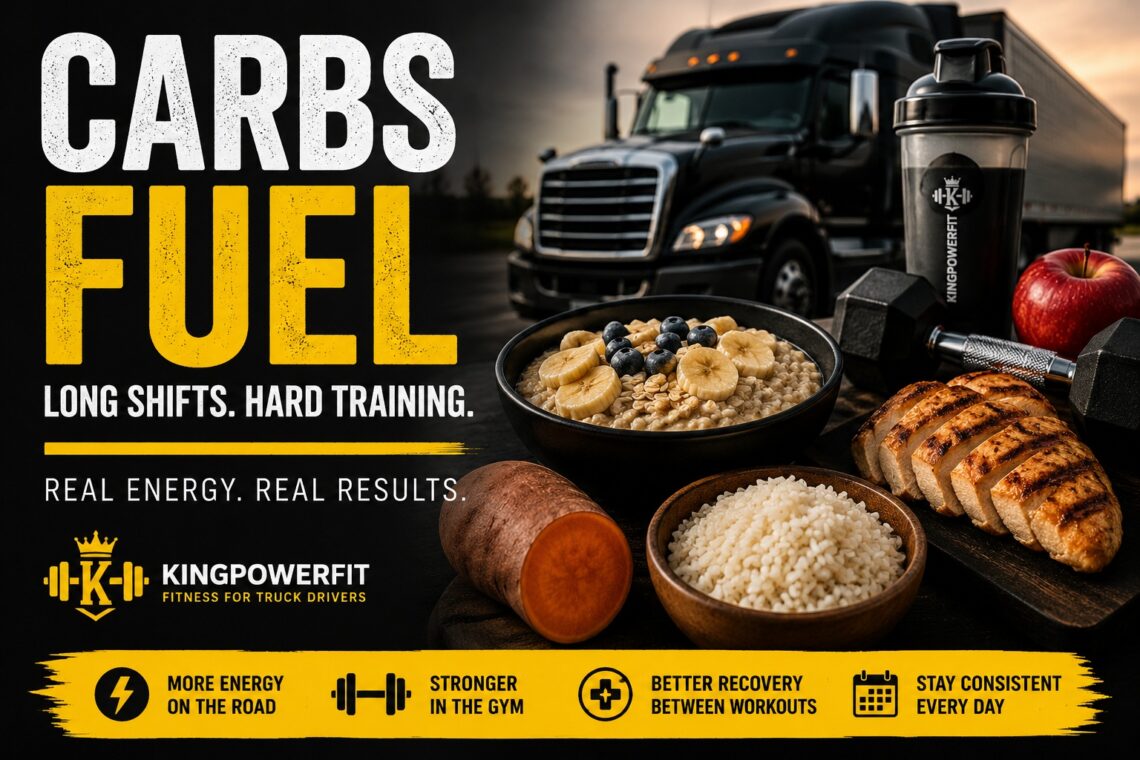
Carbohydrates are your body’s preferred source of energy for many everyday activities and higher-intensity exercise. If you’re driving for 12 hours, loading freight, and squeezing in a workout, it makes sense that having enough carbohydrate available can help you feel more energised. That doesn’t mean you need huge amounts—it means eating enough to support your workload and training.
As a truck driver, I work long shifts. Most days I’m on the road for around 12 hours, so meal prepping for a 12-hour shift has become an important part of my routine. I also train consistently because staying strong and healthy is important to me.
I’ve noticed that when I don’t eat enough quality carbohydrates throughout the day, I simply don’t feel my best. My energy drops, my workouts feel harder, and I don’t feel as strong.
But when I consistently eat enough quality carbohydrates, I notice a big difference. I have more energy throughout my shift, I perform better in the gym, and I recover more effectively.
That doesn’t mean I eat junk food all day. It simply means I make sure I’m eating enough quality carbohydrates to fuel both my work and my training.
The Biggest Misconception About Carbohydrates
I think one of the biggest reasons people fear carbohydrates is because sugars are also a type of carbohydrate.When people hear the word “carbs,” they often think of soft drinks, chocolate, lollies, cakes and highly processed snack foods.
But that’s only part of the picture. Not all carbohydrates are created equal. There’s a big difference between eating a chocolate bar and a bowl of oats. There’s a big difference between drinking a can of soft drink and eating rice or potatoes.
While both contain carbohydrates, they provide your body with very different amounts of nutrients, fibre and satiety.
Grouping every carbohydrate into the same category creates a lot of unnecessary confusion and fear. Instead of assuming all carbohydrates are the same, it’s far more important to look at the overall quality of the food.
Why Carbohydrates Work for Me
Truck driving isn’t an easy job. Long hours, early mornings, late afternoons, physical loading, and staying mentally focused behind the wheel all require energy. On top of that, many of us try to fit in a workout before work, after work, or even during our lunch break.
From my own experience, eating enough quality carbohydrates has made a noticeable difference. They help me maintain my energy throughout a long shift, feel stronger during my workouts, recover better between training sessions, and most importantly, stay consistent. As my main focus is strength training, carbohydrate is what fuel my workouts.
And consistency is what matters most.
One thing that has helped me stay consistent is bringing my own food to work instead of relying on whatever is available at the nearest service station. Keeping meals like oats, rice, fruit, yoghurt and other quality carbohydrate sources on hand makes it much easier to fuel long shifts and stay on track with my training. If you’re looking to do the same, I recommend investing in a good insulated cooler lunch bag to keep your meals fresh throughout the day.

Carbohydrates Aren’t the Enemy
Can you lose weight while eating carbohydrates? Absolutely.
Can you build muscle while eating carbohydrates? Absolutely.
Can you live without them? Some people choose to, and for some individuals that approach may work well.
Everyone responds differently, and different eating styles suit different people depending on their goals, lifestyle, and personal preferences.
I’m not here to tell you there’s only one correct diet. I’m simply sharing what has worked for me as a truck driver who spends around 12 hours a day on the road while also trying to stay strong, healthy, and consistent with my training.
After experimenting with different ways of eating, I perform my best when I include enough quality carbohydrates throughout my day. My Go-To Carbohydrate Foods
Some of the foods I regularly eat include:
– Oats
– Rice
– Potatoes
– Sweet potatoes
– Fruit
– Lebanese bread
– Wholegrain wraps
– Rice cakeS
– Vietnamese Rice noodles
These foods help keep me fuelled during long truck driving shifts while also supporting my strength training. If you’re looking for a convenient way to stay active while you’re on the road, I recommend checking out my guide on resistance band exercises for truck drivers.
Final thoughts
For me, carbohydrates have become an important part of staying strong, energised and consistent.
If you’re a truck driver working long hours and trying to improve your health, don’t automatically assume carbohydrates are your enemy.
Use them properly. Choose quality sources. Pay attention to how your body responds. You might discover, just like I did, that carbohydrates aren’t holding you back at all.
They might be exactly what you’ve been missing.