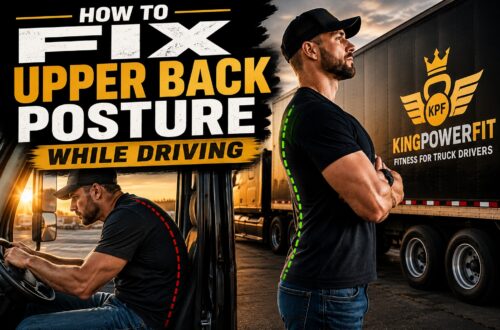
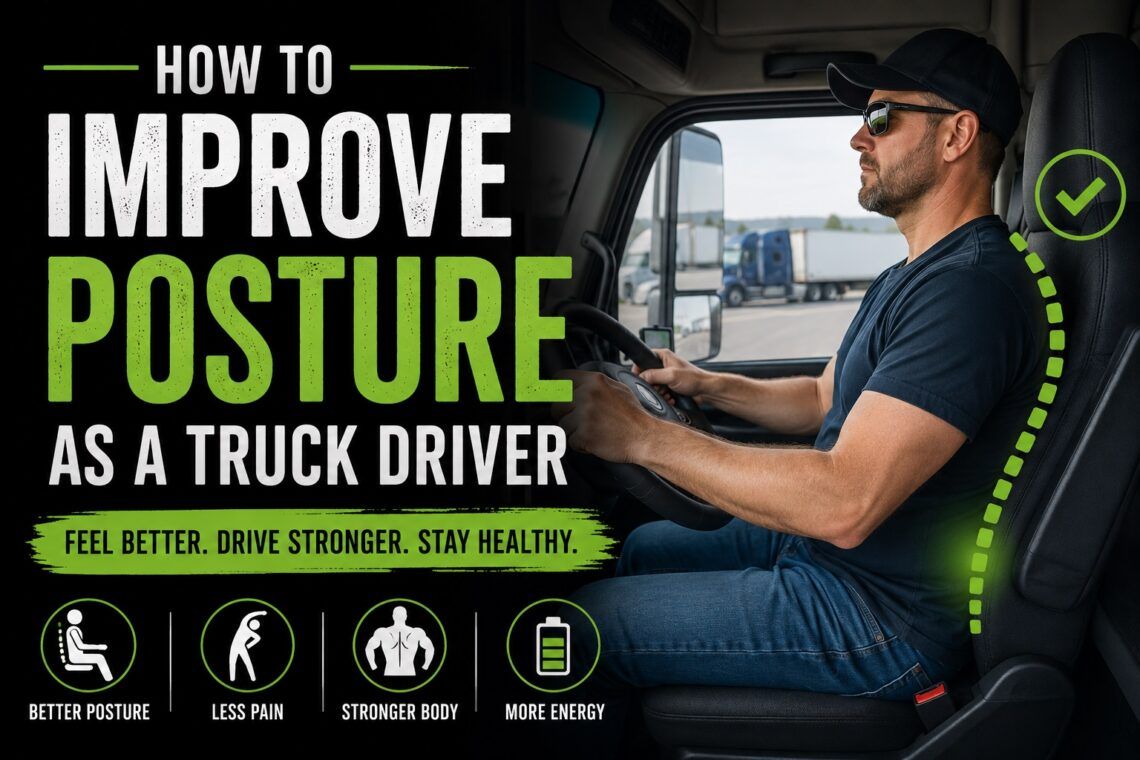
Sitting behind the wheel of a truck for 10, 12 or even more hours a day can take a toll on your posture. Most drivers do not even notice it happening. Over time, the shoulders start to round forward, the upper back begins to slump, and the head gradually moves further in front of the body.
There is a reason it feels harder to stand up straight after a long day on the road. The longer we sit, the more our posture can suffer if we do not actively work on it.
Why Posture Matters for Truck Drivers
Back pain, neck stiffness, and tight hips are some of the most common issues among truck drivers. Poor posture is often a contributing factor. Over time, slouching in your seat can place extra stress on your neck, shoulders, and lower back.
Good posture is not just about straightening your back but it can also help reduce some of the strain that builds up after hours behind the wheel.
Mobile phone use can also make the problem worse. During breaks and downtime, many of us spend time looking down at our phones scrolling through social media. This forward head position places additional stress on the neck and shoulders, adding to the effects of sitting all day.
However, small daily habits can help improve posture and reduce some of these issues over time.
Understanding the Causes of Poor Posture While Driving
Most truck drivers do not develop poor posture overnight. It usually happens gradually after spending years sitting behind the wheel for long periods each day.
Even though truck seats are adjustable, they are not always set up correctly for your body. Over time, many drivers settle into positions that feel comfortable in the moment but place extra stress on the neck, shoulders, and lower back.
Road vibrations can also contribute to the problem. After hours of driving, it is easy to begin slouching, leaning forward, or shifting into awkward positions without even realizing it.
Common causes of poor posture while driving include:
- Seat position that is too far from the steering wheel
- Reaching excessively for the pedals or steering wheel
- Lack of lumbar or upper back support
- Long periods of sitting without movement
- Looking down at phones during breaks and downtime
The first step to improving posture is becoming aware of the habits that may be causing it.
Setting Up Your Truck for Posture Success
One of the easiest ways to improve posture is to set up your driving position correctly. Small adjustments can make a big difference during a long shift.
Adjust your seat height
Sit so your hips are level with or slightly higher than your knees. This can help reduce pressure on the lower back and improve comfort during long drives.
Position yourself correctly from the steering wheel
With your back against the seat, you should be able to reach the steering wheel with a slight bend in your elbows. Avoid sitting too far away and reaching forward for long periods.
Support your lower back
If your seat lacks lumbar support, consider using a lumbar cushion or small rolled-up towel to help maintain the natural curve of your spine.
Adjust your headrest
The top of the headrest should be roughly level with the top of your head. This can help reduce unnecessary strain on the neck.
Check your mirrors
Position your mirrors so you can see clearly without leaning forward or twisting your body. Proper mirror placement encourages a more upright driving position.
Simple Posture friendly Habits On and Off the Road
Improving your posture is not just about how you sit while driving. Small habits throughout the day can also make a big difference.
Move during your breaks
Every time you stop for fuel, food, or a rest break, spend a few minutes walking around. Movement helps reduce stiffness and gives your body a break from sitting.
Stretch regularly
Simple stretches for the chest, shoulders, hips, and lower back can help counteract the effects of long hours behind the wheel.
Put the phone down occasionally
Many drivers spend their breaks looking down at their phones. Taking regular breaks from screens can help reduce strain on the neck and upper back.
Be aware of your posture
You do not need to sit perfectly all day. Simply becoming aware when you are slouching and slightly fixing it every time can help.
Stretching & Strengthening Exercises
Exercise is one of the best ways to improve posture because it helps strengthen the muscles that support proper alignment. A few minutes of micro exercises during a break or at a rest stop can make a difference.
Some simple exercises truck drivers can perform include:
Neck rolls and chin tucks
These can help reduce neck stiffness that builds up from long hours of driving and looking down at phones.
Chest stretches
Stretching the chest can help counteract rounded shoulders caused by sitting and holding the steering wheel for extended periods.
Seated twists
Gentle twists can help loosen up the lower back and improve mobility after long periods of sitting.
Shoulder blade squeezes
Pull your shoulder blades together and hold for a few seconds. This helps strengthen the upper back muscles responsible for good posture.
Hip flexor stretches
Long periods of sitting can tighten the hips. Stretching them regularly may help improve mobility and reduce lower back discomfort.
Resistance band rows
Resistance bands are lightweight, portable, and perfect for truck drivers. Rows help strengthen the upper back and encourage better posture.
Consistently performing a few simple stretches and exercises throughout the week can help improve posture, reduce stiffness, and keep your body moving better both on and off the road.
Posture Aids: What Helps and When to Use Them
There are a few tools that may help improve comfort and remind you to maintain better posture during long shifts.
Lumbar support cushions
Check Price Product and Price Here On Amazon.
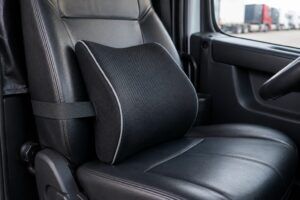
If your truck seat lacks lower back support, a lumbar cushion can help maintain the natural curve of your spine and improve comfort during long drives.
Posture corrector

Posture corrector are designed to gently pull the shoulders back and reduce slouching. Personally, I like using one from time to time when I notice my shoulders rounding forward after long hours of driving or spending too much time on my phone.
Seat cushions and padding
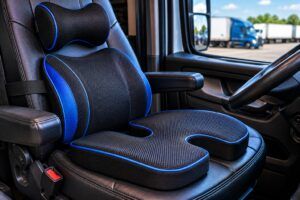
Some drivers may benefit from additional seat padding, especially if they spend long hours behind the wheel. A more supportive seat can help reduce discomfort and encourage better positioning.
While posture aids can be useful, they should be viewed as tools rather than permanent solutions. The long-term goal is to strengthen the muscles that support good posture through exercise, movement, and consistent habits.
Final Thoughts
Poor posture is a common problem among truck drivers, but it does not have to be accepted as part of the job.
Small changes such as setting up your seat correctly, moving during breaks, stretching regularly, and strengthening the muscles that support good posture can make a significant difference over time.
You do not need to be perfect. Focus on building better habits consistently and your posture, comfort, and overall well being can improve both on and off the road.