Prefer listening instead of reading? Hit play below & enjoy the audio version of this article.
There are times in life when lifting heavy isn’t possible.
Maybe you’re recovering from an injury, dealing with sore joints, travelling for work, or don’t have access to a gym. As a full-time truck driver, I know there are weeks where life gets busy and training with heavy weights doesn’t fit in the agenda.
One question I’ve often wondered is:
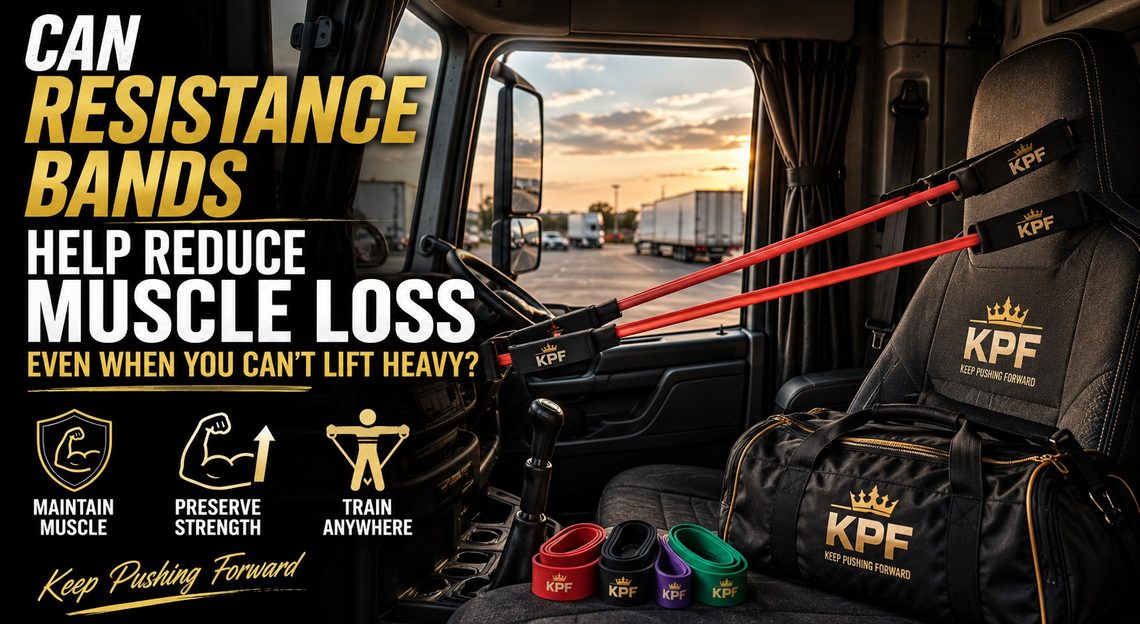
Can resistance bands help reduce muscle loss even when you can’t lift heavy?
After researching the topic and using resistance bands regularly myself, here’s what I’ve learned.
If you’re looking for practical ways to stay active during long shifts, you might also enjoy my guide on staying motivated as a truck driver.
Why Does Muscle Loss Happen?
Our muscles are constantly adapting. They’re either breaking down or building back up.
I like to think of it like building a brick house.
Once you’ve laid the foundation, you have two choices: continue maintaining it or keep adding more bricks over time.
If you stop maintaining the house altogether, it will eventually begin to deteriorate.
Our muscles work in a similar way.
When we regularly perform resistance training and eat enough protein, our body continues repairing and rebuilding muscle tissue.
However, when that stimulus is removed for an extended period, muscle protein breakdown can begin to outweigh muscle protein synthesis. Over time, this can contribute to muscle loss, reduced muscle strength, and make muscle preservation much more difficult.
This is why many people become concerned about muscle retention when they’re recovering from an injury, taking time away from the gym, travelling for work or simply going through a busy period in life.
Can Resistance Bands Help Reduce Muscle Loss?
From my personal experience, I’d say yes.
There have been periods where I wasn’t able to get to the gym as often as I’d like, or I had to reduce the amount of weight I was lifting due to injuries and other commitments.
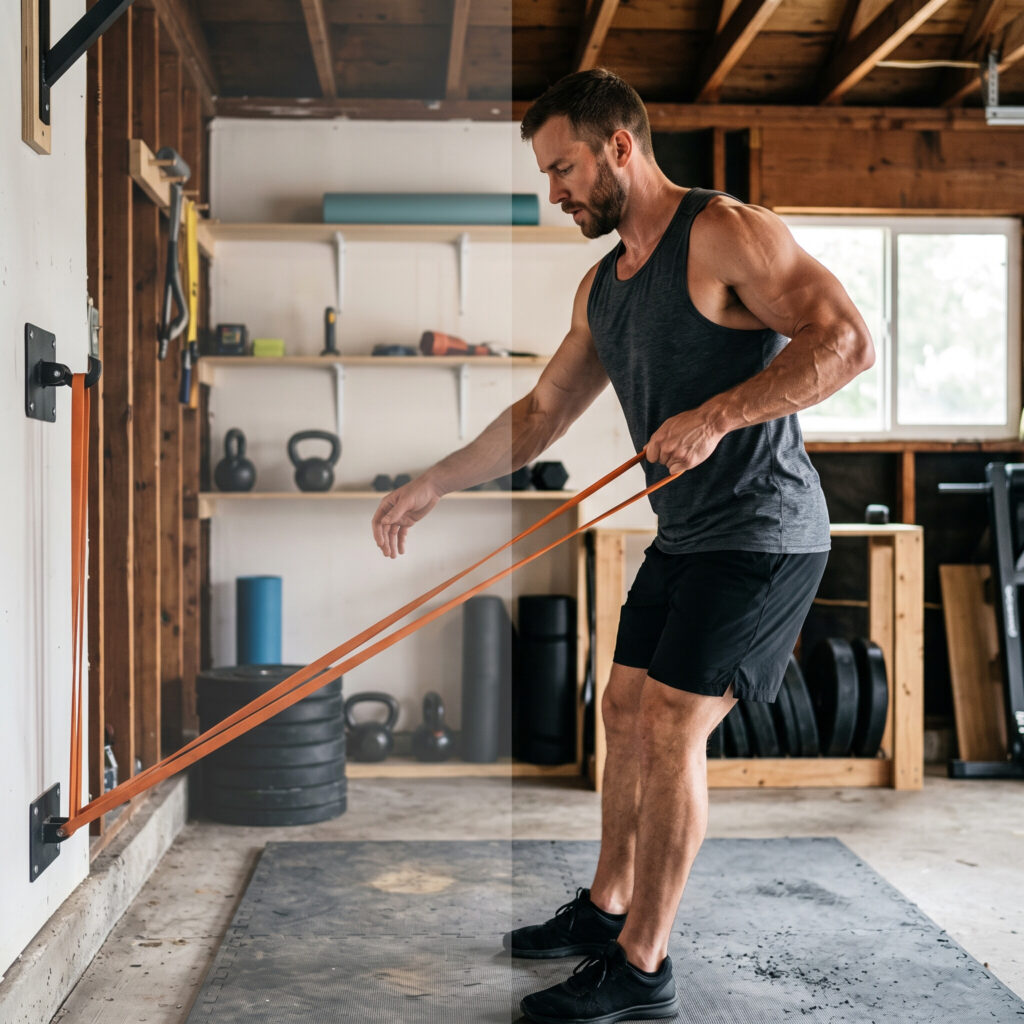
During those times, resistance bands allowed me to continue performing resistance training instead of doing nothing at all.
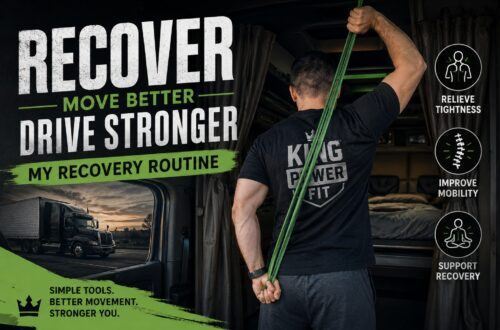
I’ve also written about why I believe resistance bands are one of the best pieces of equipment for truck drivers, especially when space and time are limited.
Did they completely replace heavy weights?
Probably not.
But I genuinely believe they helped me maintain muscle, preserve muscle strength, and reduce muscle loss until I was able to return to heavier training again.
Of course, everyone’s situation is different. Factors such as your injury, nutrition, protein intake, recovery and training intensity all play a role.
However, if the alternative is doing no resistance training whatsoever, I believe resistance bands can be an excellent tool to help maintain muscle and continue moving forward.
Resistance bands won’t magically eliminate muscle loss, but they can continue providing your muscles with a meaningful training stimulus when lifting heavy weights isn’t ideal.
Your muscles don’t know whether resistance comes from:
- A barbell
- Dumbbells
- A cable machine
- A resistance band
They simply respond to tension.
If you’re new to resistance bands, it’s worth learning how to use them safely around trucks and trailers before getting started.
If you’re training close enough to your limits with good technique, resistance bands can help maintain muscle, support muscle preservation, and reduce the amount of muscle you may lose while away from heavy weights.
Resistance Bands Can Help Support Muscle Retention
One of the biggest misconceptions in fitness is that you must always lift heavy to maintain muscle.
Heavy lifting is an excellent way to build muscle and increase muscle strength, but it’s not the only effective option.
Resistance bands create tension throughout an exercise and allow you to continue challenging your muscles through a full range of motion.
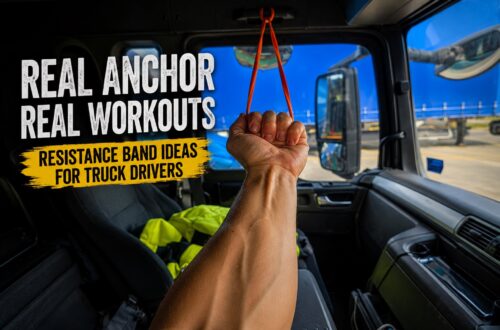
I’ve also shared how I personally anchor resistance bands inside my own truck cab if you’re looking quick and convenient ways to train just by simply sitting in your driver seat of a truck.
For many people, especially during rehabilitation, travel or busy work schedules, that continued stimulus may help support muscle retention far better than doing nothing at all.
When Resistance Bands Make The Most Sense
Resistance bands can be especially useful if you’re:
- Recovering from an injury (once cleared by your doctor or physiotherapist)
- Returning to training after time away
- Travelling without access to a gym
- Working away from home
- A truck driver spending days or weeks on the road
- Looking for a lower-impact form of resistance training
- Trying to preserve muscle while life temporarily gets in the way
But if the alternative is doing nothing for weeks, I’d much rather continue training, maintain my muscle strength, and give myself the best chance of preserving the progress I’ve already worked hard to build.
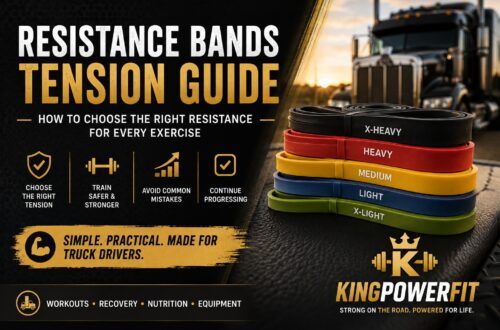
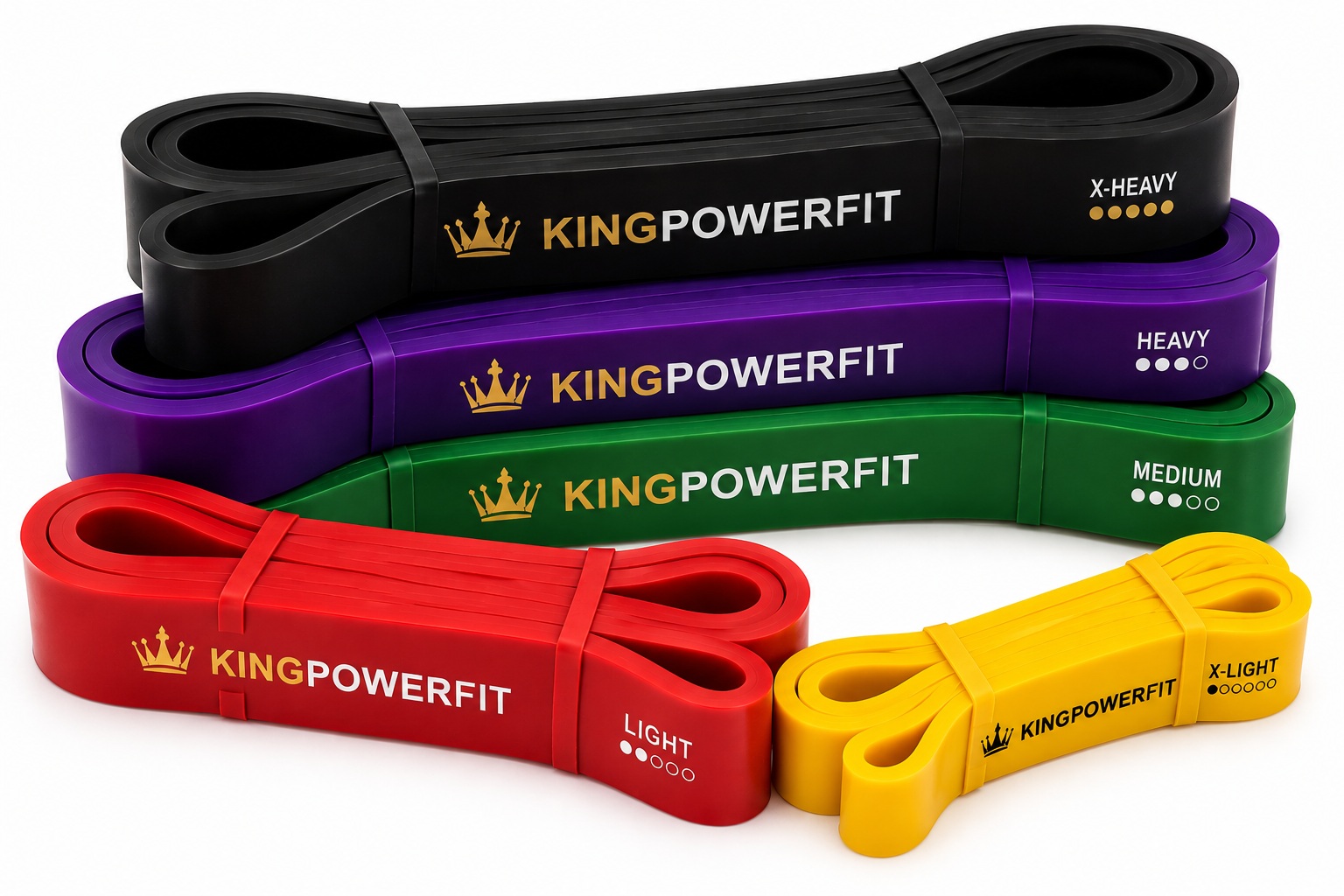
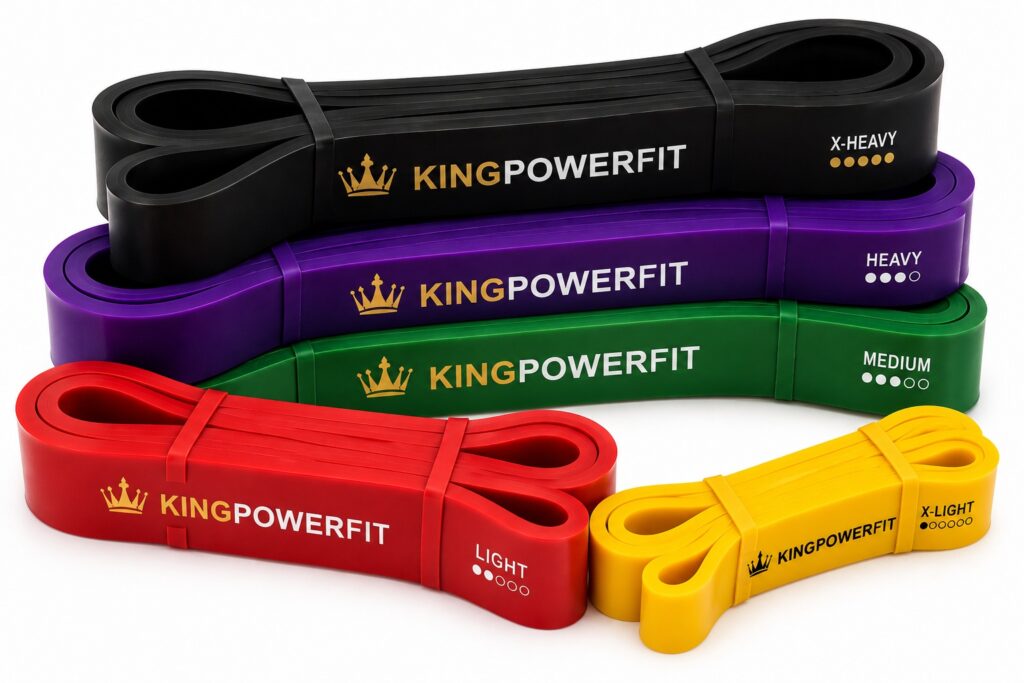
If you’re looking for a quality set, these are the long-loop resistance bands I personally use for my workouts in the gym and inside my truck cab. They’re portable, versatile, and suitable for everything from mobility work to full-body strength training.
👉 Check the latest price on Amazon
Muscle Preservation Still Requires Progressive Overload
Simply using a resistance band isn’t enough.
Just like free weights, your body adapts over time.
If your goal is muscle preservation or maintaining muscle strength, you’ll still need to progressively challenge your muscles.
You can do this by:
- Using a thicker resistance band
- Performing more repetitions
- Increasing the number of sets
- Slowing down each repetition
- Improving your technique
- Increasing your range of motion where appropriate
The principle of progressive overload doesn’t change because you’re using resistance bands instead of weights.

Resistance Bands And Rehabilitation
One reason resistance bands are commonly used during rehabilitation is because they allow resistance to be introduced gradually.
Many exercises can be performed with lighter resistance before progressing to heavier loads.
However, every injury is different.
If you’re recovering from surgery or an injury, always follow the advice of your doctor, physiotherapist or other qualified healthcare professional before beginning any exercise program.
Resistance bands can be an excellent rehabilitation tool, but they should always complement professional guidance rather than replace it.
Don’t Forget The Other Pieces Of The Puzzle
Reducing muscle loss isn’t just about training.
Other important factors include:
- Eating enough protein
- Consuming adequate calories
- Getting quality sleep
- Staying physically active where possible
- Remaining consistent with resistance training
Resistance bands work best when they’re part of an overall healthy lifestyle.
My Perspective As A Truck Driver
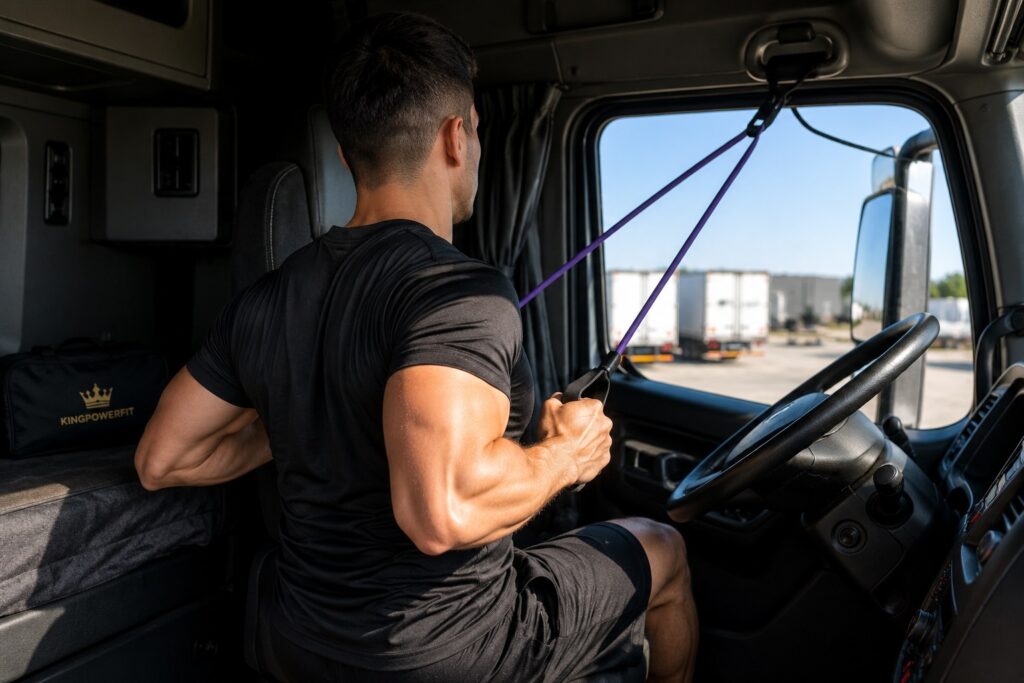
One reason I’ve become such a big fan of resistance bands is because they remove excuses.
I can’t always get to a gym.
Some days I’m working long shifts, travelling between deliveries or simply don’t have access to heavy equipment.
Having a set of resistance bands in my truck means I can still complete some form of resistance training and continue challenging my muscles.
Final Thoughts
So, can resistance bands help reduce muscle loss even when you can’t lift heavy?
I believe they can.
While they may not completely replace heavy weight training in every situation, resistance bands can help provide enough resistance to support muscle retention, encourage muscle preservation, maintain muscle strength, and keep you performing regular resistance training when life gets in the way.
Whether you’re recovering from an injury, travelling, working long truck driving shifts or simply don’t have access to a gym, resistance bands offer a practical way to continue moving forward.
Sometimes the goal isn’t making massive gains.
Sometimes the biggest win is simply holding onto the muscle and strength you’ve already earned until you’re ready to lift heavy again.
If you’re just beginning your fitness journey as a truck driver, I’d also recommend starting with What Does Being Fit Really Mean? A Truck Driver’s Perspective, where I share the mindset that has helped me stay consistent.