
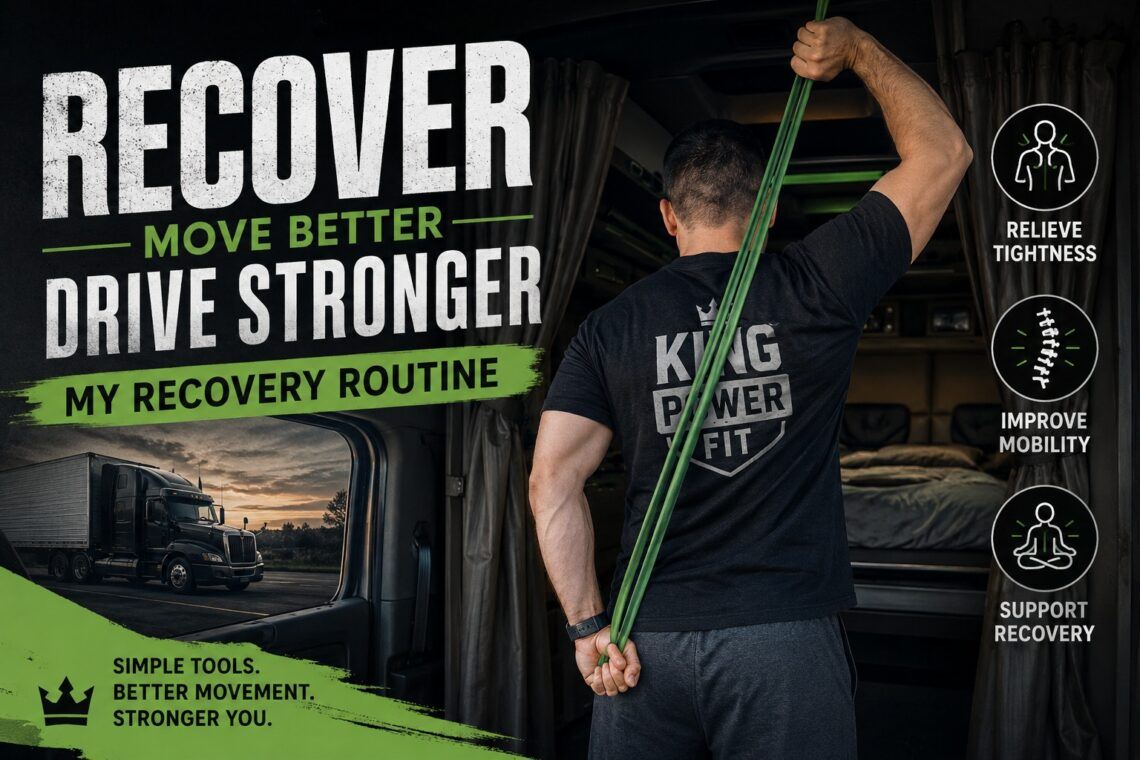
After spending 10–12 hours behind the wheel as a full-time truck driver, I spend hours sitting in the same position. My hips gets tight, my shoulders become stiff, my upper back feels locked, and my body’s movement just feel limited.
If you’re new to resistance bands, you may also find my Best Resistance Bands for Truck Drivers guide helpful before starting this routine.
After discovering and using resistance bands myself, I realised they are quite useful in more ways then just working out. I also use them regularly for recovery as well.
I also use the same bands for my regular workouts inside the truck. If you’re looking for exercise ideas, check out my guide on Resistance Band Exercises Inside a Truck Cab.
This article isn’t about replacing professional medical advice or rehabilitation. It’s simply my personal recovery routine and how I use resistance bands to feel better after a long driving shift.
Why Recovery Matters After Long Hours of Driving
Truck driving places your body in the same position for hours at a time.
Long hours behind the wheel don’t just make you feel tired—they also reduce movement throughout the day. In my article A Day in the Life of a Truck Driver, I share what a typical shift looks like and why recovery has become part of my routine.
That often leads to:
- Tight hips
- Rounded shoulders
- Stiff upper back
- Tight chest muscles
- Reduced mobility
- General soreness after work
Why I Like Resistance Bands for Recovery
Resistance bands allows me to move through a larger range of motion while adding gentle assistance or light resistance.
I also like them because they’re:
- Lightweight
- Easy to keep inside my truck
- Suitable for home, the gym or while travelling
- Quick to use
- Beginner friendly
Recovery isn’t just about taking a break from lifting heavy. It’s about giving your body what it needs to move better, recover well, and be ready for your next workout.
If you’ve ever wondered whether resistance bands are actually effective for building strength, you might also enjoy reading Can Resistance Bands Build Muscle?
My Recovery Routine After a Long Truck Driving Shift
This routine usually takes around 10–15 minutes.
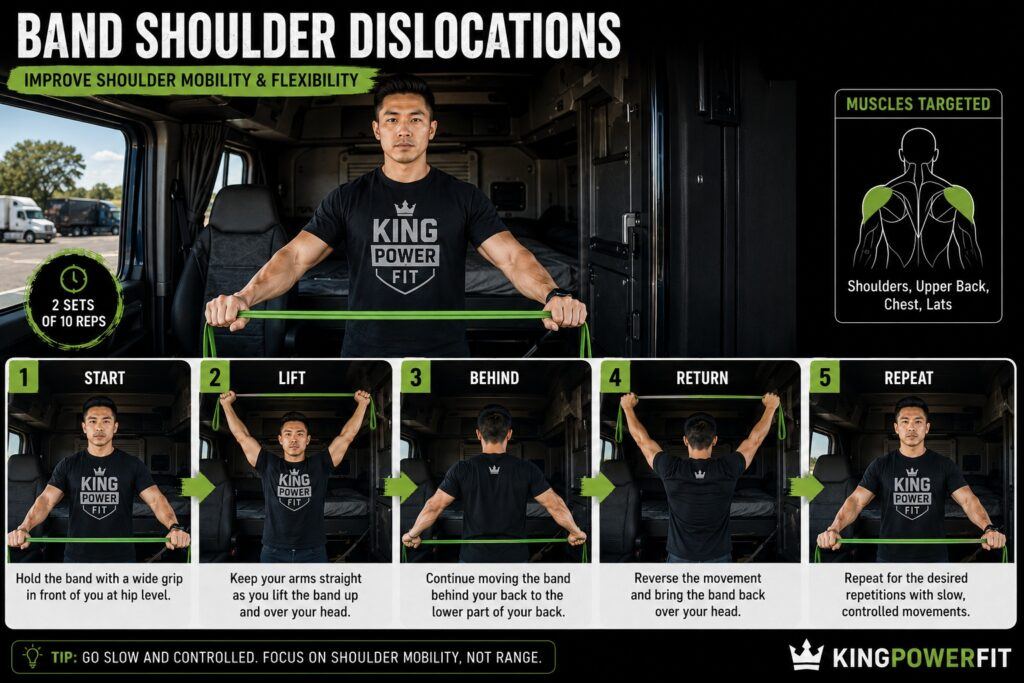
1. Band Shoulder Dislocations
After holding the steering wheel all day, my shoulders blades usually feel tight.
I perform slow shoulder dislocations using a light resistance band to improve shoulder mobility.
2 sets of 10 repetitions.
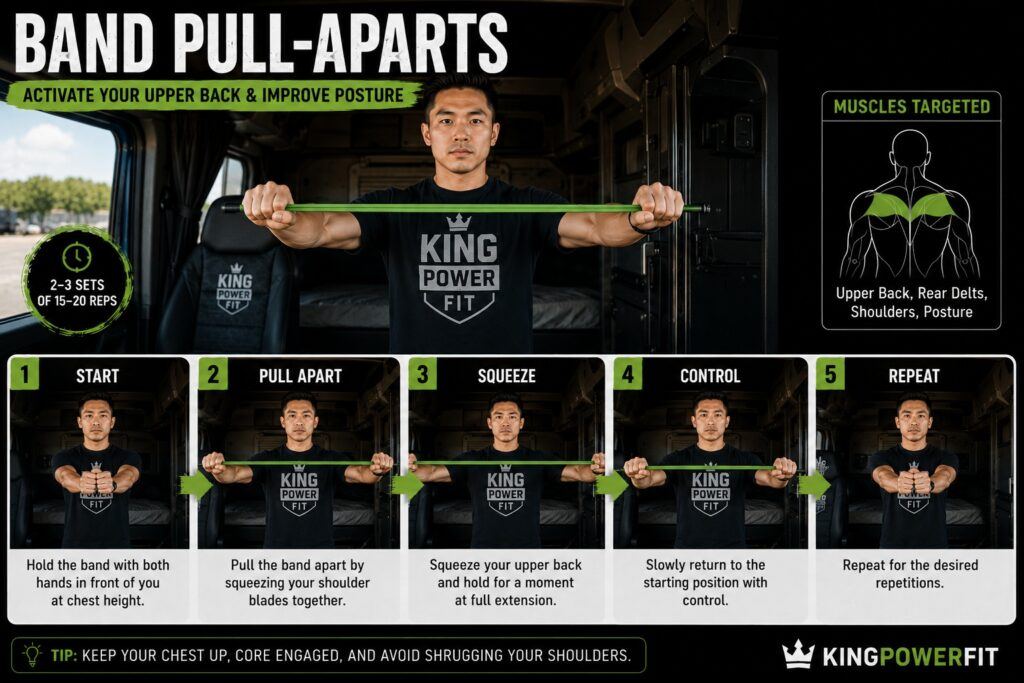
2. Band Pull-Aparts
One of my favourite exercises.
This helps activate my upper back while opening up my chest after hours of sitting.
2–3 sets of 15–20 repetitions.
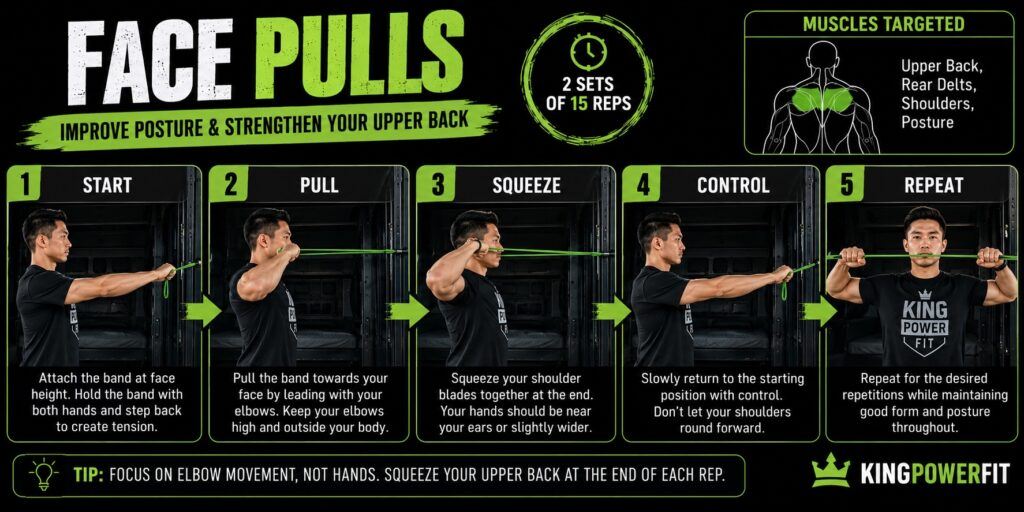
3. Face Pulls
Face pulls help improve posture and strengthen the muscles that often become neglected from prolonged sitting.
I perform these slowly and focus on squeezing my shoulder blades together.
2 sets of 15 repetitions.
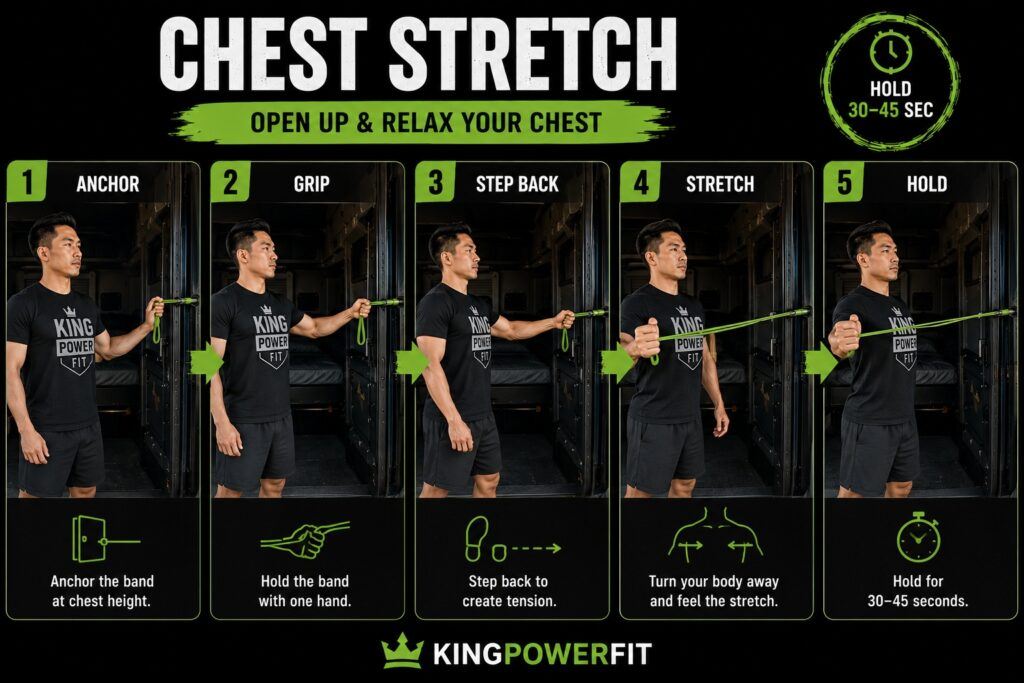
4. Chest Stretch
The chest muscles often become tight from driving.
Using a resistance band allows me to gently stretch through a comfortable range without forcing the movement.
Hold for 30–45 seconds.
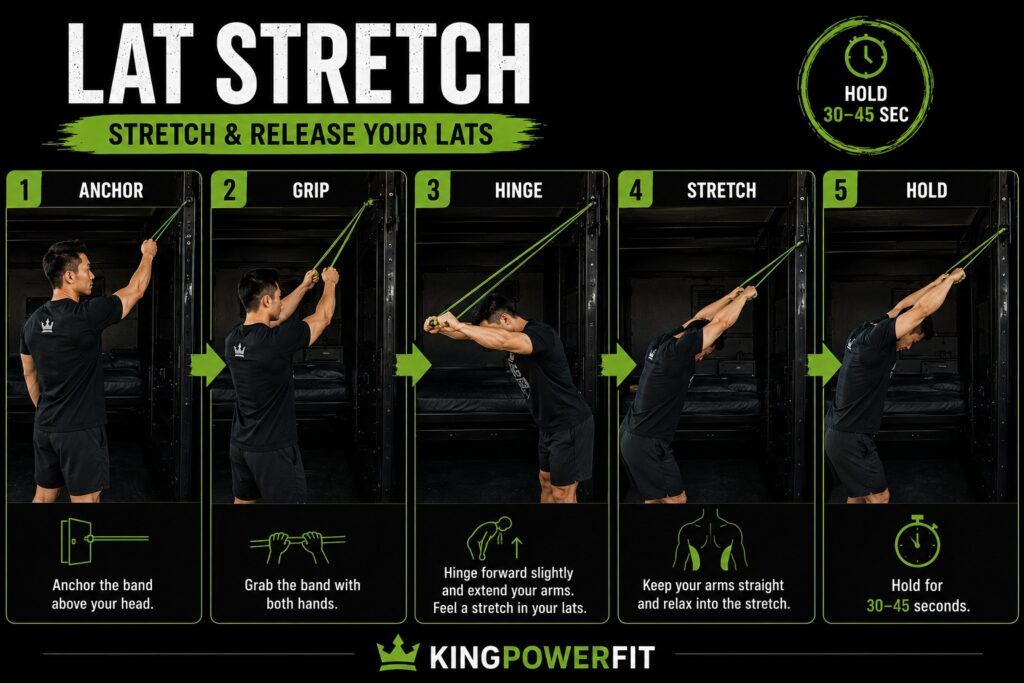
5. Lat Stretch
Tight lats can contribute to shoulder stiffness and limited overhead movement.
I use the resistance band to assist the stretch while breathing slowly.
Hold for 30–45 seconds.
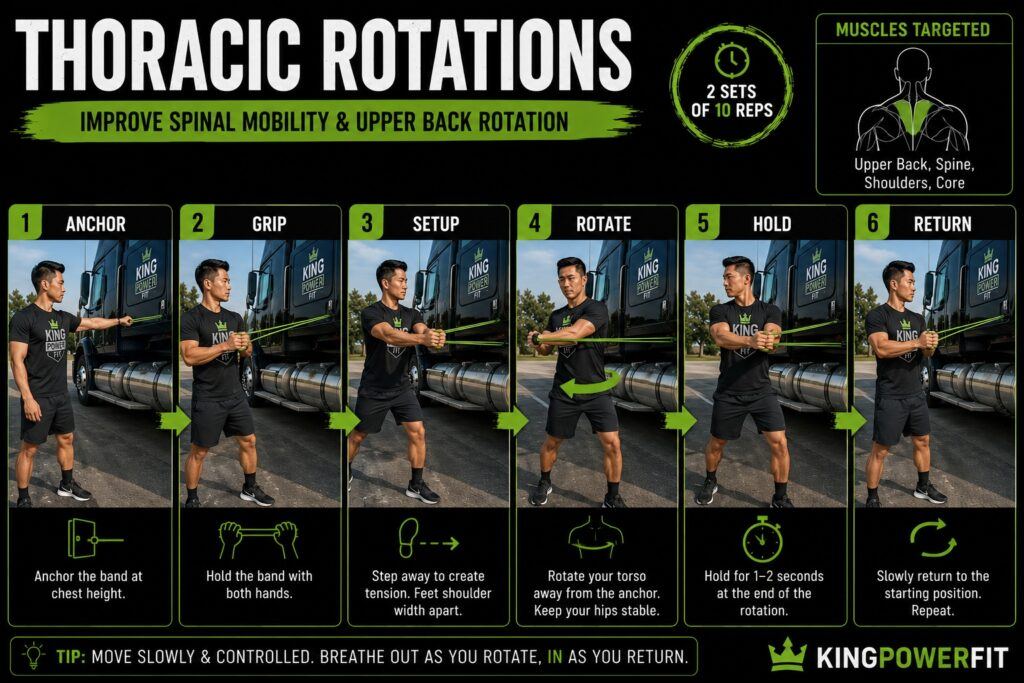
6. Thoracic Rotations
This is probably the movement many truck drivers need most.
Hours behind the wheel reduce rotation through the upper back.
A simple band-assisted thoracic rotation can help restore movement and reduce stiffness.
Recovery Is Where Progress Happens
Recovery isn’t about sitting still. It’s about keeping your body moving and activating the muscles that need time to recover and adapt.
If you’re looking for practical recovery movements you can do after work, check out my guide on Resistance Band Mobility Exercises, where I share simple exercises you can perform almost anywhere.
Recovery is an essential part of any training routine. Without proper recovery, your body can’t repair, rebuild, or become stronger. Muscle growth doesn’t happen during your workout—it happens afterwards, when your body has the chance to recover.
That’s why low-intensity recovery exercises, mobility work, and gentle movement can be so valuable. They help restore movement, reduce stiffness, and keep your body feeling ready for your next workout.
Ten minutes of gentle mobility often leaves me feeling better than forcing another heavy training session when my body feels stiff.
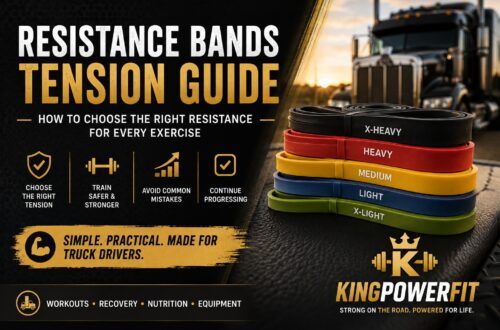
Recommended for these exercises: Long Loop Resistance Bands
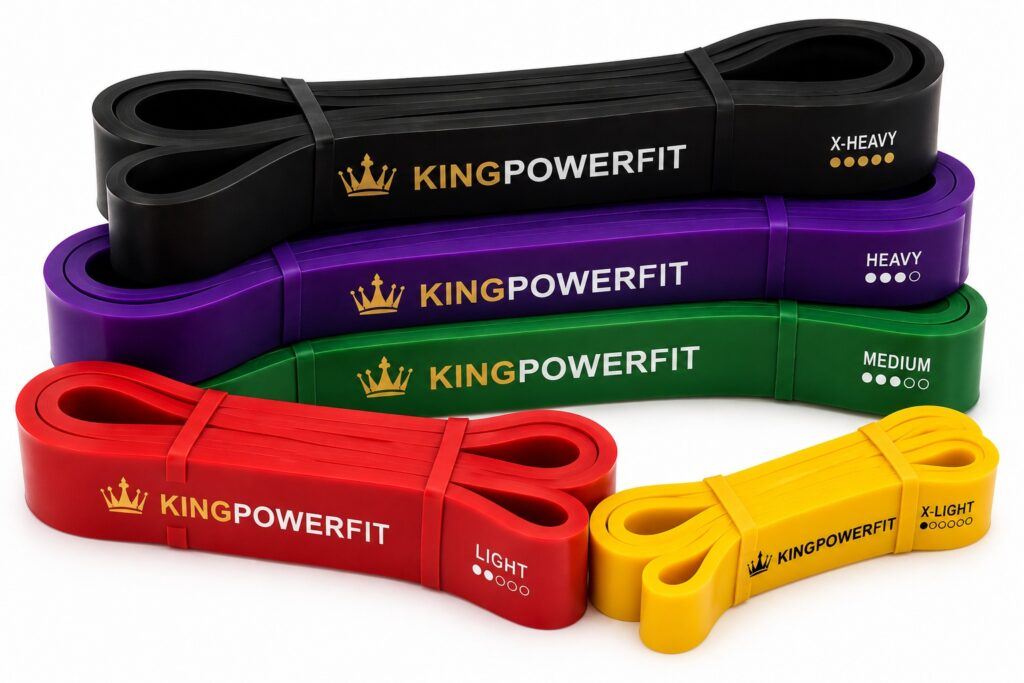
Check Product And Price On Amazon
Which Resistance Band Is Best for Recovery?
For recovery work, I personally prefer lighter resistance bands.
Heavy bands usually aren’t necessary for mobility exercises, stretching, or recovery movements.
A light to medium resistance band often provides enough tension while still allowing comfortable movement.
For lower-body recovery exercises, I particularly like using fabric resistance bands. They don’t roll up as easily as latex bands, they’re comfortable to wear, and they’re ideal for activating the glutes and hips during recovery sessions.
A Small Habit That Makes a Big Difference
After using resistance bands, especially when I’ve been training outdoors or stepping on them with my work boots, I like to wipe them down before putting them back into the carry bag.
It only takes a few seconds, keeps the bands cleaner, and helps stop dirt from building up inside the bag.
It’s a simple habit I’ve found useful after plenty of long truck driving shifts.
Final Thoughts
Recovery often gets overlooked, especially when you’re busy working long hours.
For me, resistance bands have become more than just a training tool.
They’re something I keep in my truck to help me loosen up, improve mobility, and feel ready for the next day.
If you’re a truck driver who spends long hours behind the wheel, it might be worth giving a simple recovery routine a try.
You don’t need an hour.
Sometimes 10–15 minutes of movement is enough to help your body feel a whole lot better.
If you’re just starting your truck driver fitness journey, I’d also recommend reading my Start Here guide, where I’ve organised my best articles on resistance bands, recovery, workouts, nutrition, and staying healthy while working long hours on the road.


These Thera bands come in useful everywhere, even for truck drivers, who probably don’t have the time to visit gyms. These shoulder exercises are great and would also work so well for people who sit in front of their computers every day.
Can you suggest a good Thera band exercise for tight hip flexors from sitting all day, or is it best to just stretch these by grabbing your foot behind you?
Thanks! I actually do both. The standing quad/hip flexor stretch is great, but I also like using resistance bands to improve hip mobility after sitting all day. I might put together a dedicated hip mobility routine in a future article. Appreciate the suggestion!