Introduction
Losing weight as a truck driver can be difficult, especially with the lifestyle that comes with the job. We’re constantly on the road, spending most of the day sitting behind the wheel, waiting around at loading docks and surrounded by quick access to fast food and takeaway.
Long hours behind the wheel, irregular meal times, limited healthy food options and mental fatigue all play a role in why so many truck drivers struggle with excess weight. After a long shift, grabbing takeaway and relaxing often feels much easier than preparing a healthy meal or exercising.
As a full-time truck driver myself, I understand these challenges because I live them every day.
The good news is that losing fat doesn’t have to be complicated. A few simple habits, combined with discipline, awareness and consistency, can produce real results over time.
In this guide, I’ll share practical strategies that fit around a truck driver’s lifestyle and that have helped me manage my own weight while working full-time behind the wheel. My hope is that they’ll help you lose fat while maintaining your strength and energy too.
1. Focus on Losing Fat, Not Just Weight
Many people become obsessed with the number on the scales.
Instead, aim to reduce body fat while maintaining as much muscle as possible. This is often referred to as body recomposition. Rather than focusing only on your total body weight, the goal is to improve the ratio of lean muscle to body fat.
This is why strength training is so important during a fat loss phase. If you simply eat less and rely only on cardio to burn calories, you’ll probably lose weight—but some of that weight may come from muscle as well as body fat.
Losing muscle doesn’t just make you weaker. Muscle is metabolically active tissue that helps support your strength and metabolism. If you lose a significant amount of muscle while retaining more body fat, your body fat percentage can stay higher than expected or even increase, even though the number on the scales has gone down. That’s why the goal isn’t simply to weigh less—it’s to improve your body composition by losing fat while preserving as much muscle as possible.
Building or maintaining muscle also makes everyday tasks easier, whether you’re climbing in and out of the cab, securing loads or simply staying active throughout the day. Rapid weight loss often leads to greater muscle loss, which isn’t the goal.
Slow, steady and consistent progress usually produces the best long-term results.
2. Create a Small Calorie Deficit
Fat loss comes down to consuming slightly fewer calories than your body burns over time.
You don’t need to starve yourself or follow an extreme diet. My advice is to focus on hitting your daily protein target first, then adjust your overall calories from there.
A simple guideline is to aim for around 1 gram of protein per pound of your target body weight. Eating enough protein helps preserve muscle while you’re losing fat, keeps you feeling fuller for longer and supports recovery from strength training.
A moderate calorie deficit is usually much easier to maintain than a very aggressive one. It also helps you keep your energy levels up while working long shifts behind the wheel.
Making small changes, such as reducing sugary drinks, limiting oversized portions and cutting back on unnecessary snacks, can have a big impact over several months.
It’s also worth paying attention to ultra-processed foods. Many of these foods are very calorie-dense, meaning a relatively small serving can contain a surprisingly high number of calories. Reducing your intake doesn’t mean you can never enjoy them—it simply makes it much easier to keep your daily calories under control.
3. Prioritise Protein at Every Meal
Protein helps keep you feeling full for longer while supporting muscle recovery.
Good portable options include:
- Greek yoghurt
- Protein shakes
- Tuna
- Chicken breast
- Beef jerky (lower sodium varieties where possible)
- Boiled eggs
- Cottage cheese
Prioritising protein can make it much easier to stay satisfied between meals and avoid constantly reaching for unhealthy snacks.
4. Plan Your Meals Before Your Shift
One of the biggest reasons truck drivers struggle with weight loss is convenience.
If you don’t prepare your food, you’ll often end up buying whatever is available.
Meal prepping doesn’t need to be complicated.
Cooking extra portions at dinner and packing tomorrow’s lunch can save money while helping you stay on track.
If you’re unsure where to start, read my guide on How to Meal Prep for Truck Drivers.
5. Walk Whenever You Get the Opportunity
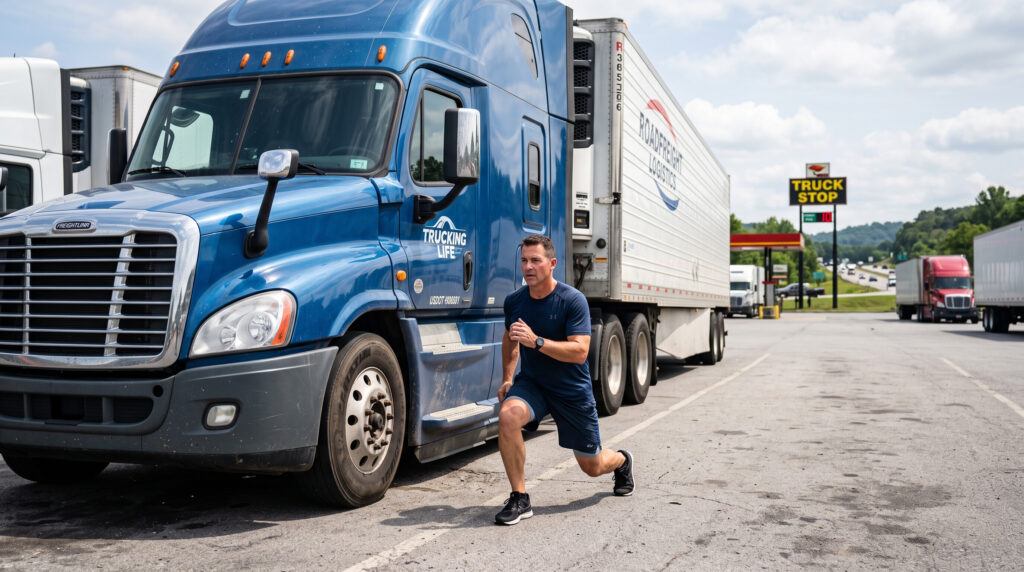
You don’t need to run for an hour.
A simple 10 to 20 minute walk during your break or after each meal can:
- Burn extra calories
- Improve digestion
- Reduce stiffness
- Improve circulation
- Refresh your mind before getting back behind the wheel
These small walks add up over weeks and months.
One strategy I like is to deliberately create opportunities to walk more throughout the day. For example, park a little further away from your destination to get some extra steps in, or take the stairs instead of using the lift whenever possible. These small choices might not seem like much at the time, but they can make a meaningful difference when repeated consistently.
6. Strength Train Two to Four Times Per Week
One of the biggest myths is that cardio is the only way to lose weight.
From my personal experience as a former personal trainer, I’ve helped clients achieve great fat loss results by combining a small calorie deficit with strength training just two to four times per week. You don’t need to spend hours in the gym to make progress.
If you’re new to lifting weights, check out my Beginner’s Guide to Strength Training to learn the fundamentals and build confidence.
Strength training gives your body a reason to hold on to—or even build—muscle while you’re losing fat. This is one of the biggest reasons it plays such an important role in body recomposition. Instead of simply becoming lighter, you’re working towards becoming leaner, stronger and healthier.
If you only rely on eating less and doing cardio, you’ll still lose weight, but some of that weight may come from muscle as well as body fat. Losing too much muscle can leave you weaker and may reduce the improvement in your overall body composition. That’s why preserving muscle should always be a priority during a fat loss phase.
This is one of the reasons I recommend resistance bands for truck drivers. They’re lightweight, portable, affordable and don’t require a gym. A simple set of resistance bands is enough to complete effective strength workouts almost anywhere, whether you’re at a truck stop, depot or motel.
If you’re looking for ideas, have a look at my Resistance Band Exercises for Truck Drivers.
7. Don’t Drink Your Calories
Soft drinks, energy drinks, flavoured coffees and sugary juices can add hundreds of calories without making you feel full.
Choosing water, zero-sugar alternatives or black coffee more often can significantly reduce your daily calorie intake without changing your meals.
8. Sleep Matters More Than Most People Think

Sleep deprivation can increase hunger, reduce your energy levels and make it much harder to make healthy food choices throughout the day.
While truck drivers can’t always control their schedules, aiming for consistent, quality sleep whenever possible can improve recovery, appetite control and overall energy levels.
Better sleep also supports your training by helping your body recover, preserve muscle and perform at its best. When you combine good sleep with proper nutrition and regular strength training, fat loss becomes much easier to sustain over the long term.
If improving your sleep is something you struggle with, I’ve also written a guide covering practical Sleep Tips for Truck Drivers.
9. Stop Chasing Perfection
You don’t need to eat perfectly every day.
There will be birthdays, family dinners, road trips and days when takeaway is the only option.
One unhealthy meal won’t ruin your progress.
The goal is to make better choices most of the time rather than trying to be perfect.
Consistency beats perfection.
10. Build Habits You Can Maintain
The best fat loss plan is one you can follow for years, not weeks.
Small habits such as:
- Walking during breaks
- Packing lunch
- Drinking more water
- Eating enough protein
- Completing two or three strength workouts each week
may seem simple, but together they create lasting results.
My Experience as a Truck Driver
Working full-time as a truck driver has taught me that staying healthy isn’t about having unlimited free time—it’s about making the most of the time you do have.
I’ve gone through periods of bulking and cutting while working long shifts, and I’ve learned that consistency always beats motivation. Some days you’ll have 30 minutes to train. Other days you’ll only manage a short walk. Both still move you in the right direction.
You don’t have to be perfect to make progress.
Final Thoughts
Losing weight as a truck driver isn’t about following extreme diets or spending hours in the gym.
It’s about building simple habits that fit your lifestyle and repeating them consistently.
Start small. Improve one habit at a time. Over the coming months those small improvements can lead to significant changes in your health, energy and confidence.
Remember, every healthy choice you make today is an investment in your future—both on and off the road.
Being fit isn’t about having the perfect body—it’s about having the health, strength and energy to enjoy life outside of work. If you’d like to learn more about that mindset, read What Does Being Fit Really Mean? A truck driver’s perspective.
Ready to start building muscle while losing fat?
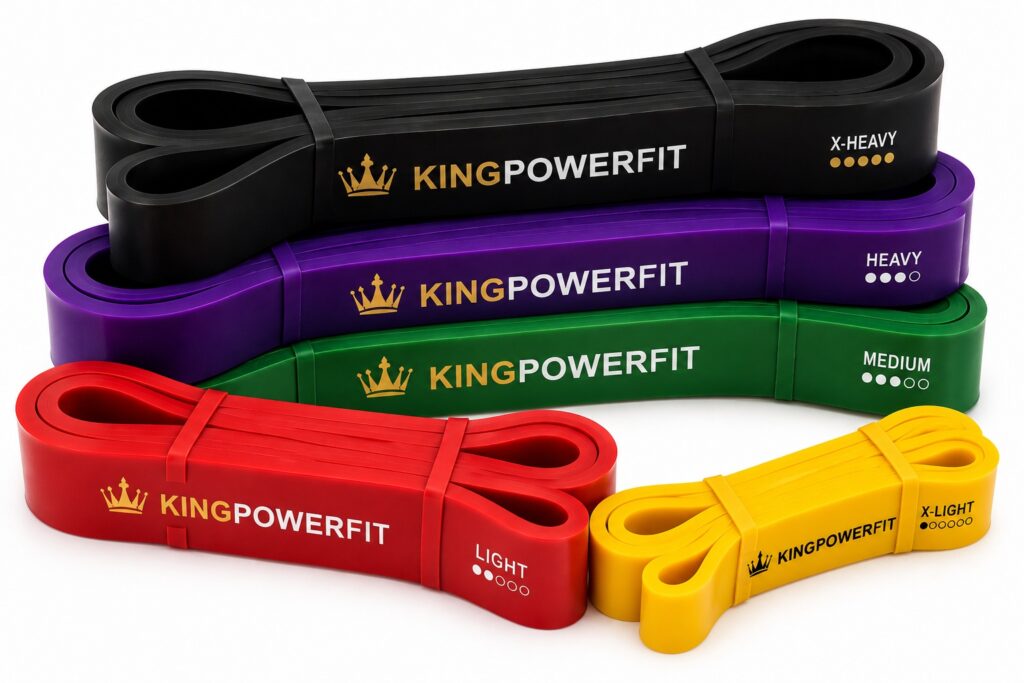
If you’re looking for a simple way to strength train on the road, check out the KingPowerFit Resistance Bands. They’re lightweight, portable and designed specifically for busy truck drivers. Every set also includes access to my complete resistance band workout guide, making it easy to train wherever the job takes you.